By Parth Parmar, mechanical design engineer · 207 pieces, 62 parts · Updated
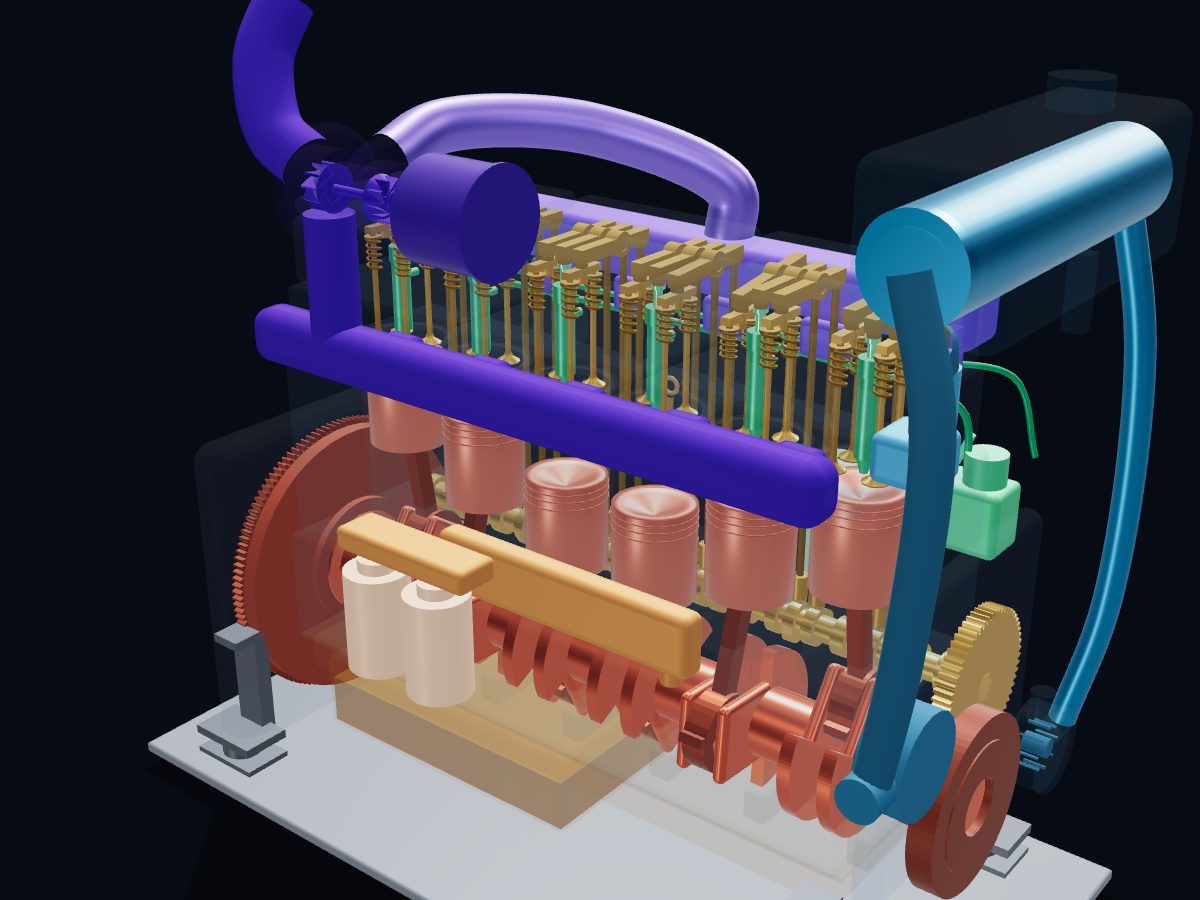
A marine diesel engine burns fuel in a four-stroke cycle: it draws in air, squeezes it until it is hot enough to ignite fuel sprayed into it, lets the burning gas push the pistons down, then pushes the exhaust out. In an inline-six a cylinder fires every 120°, and sea water carries the heat away through a heat exchanger.
Single parts: scroll to the parts list. These are learning models, not a print kit: some parts touch or overlap and there are no fit tolerances.
Free for personal and educational use under CC BY-NC 4.0. Credit “Engine-X by Parth Parmar (engx3d.com)” when you share or remix it. Don’t sell the files or prints. For commercial use, get in touch. Every file carries the Engine-X mark and a hidden digital fingerprint that identifies it.
Key facts
Machine
Inline-6 · NT855 Big Cam style · 14 L · PT fuel system
Parts modeled
207 named parts in 8 systems (62 different parts to download)
Model size
1560 × 1384 × 760 mm (real scale)
Formats
GLB (glTF 2.0) 9.6 MB, STL 7.1 MB, USDZ for iPhone AR, ZIP of part STLs 1.2 MB
8 parts: Crankshaft, pistons, connecting rods, flywheel and damper.
Camshaft & valve train
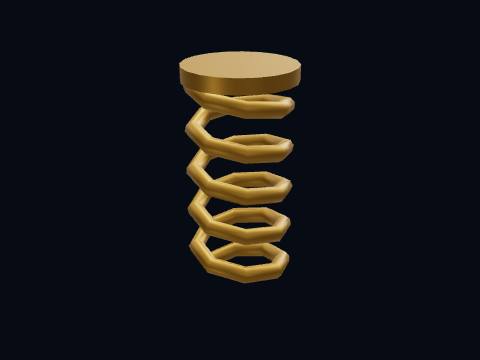
16 parts: Camshaft, followers, push tubes, rocker levers, crossheads, 24 valves and their springs.
PT fuel system
7 parts: PT pump, filter, supply and drain lines, and six cam-driven unit injectors.
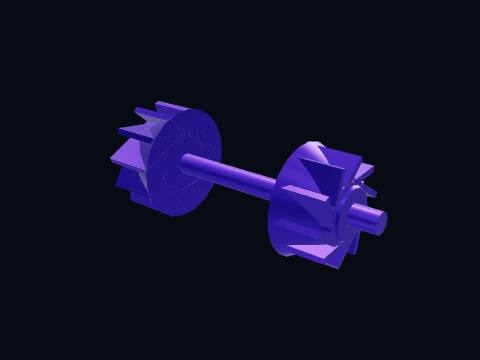
Turbo, air & exhaust
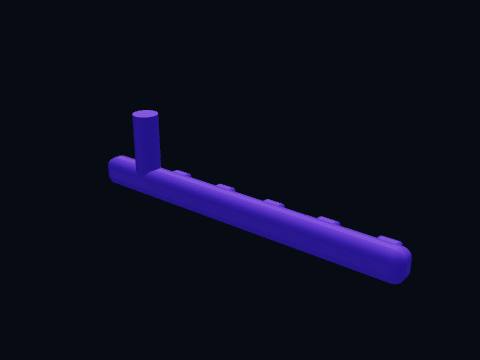
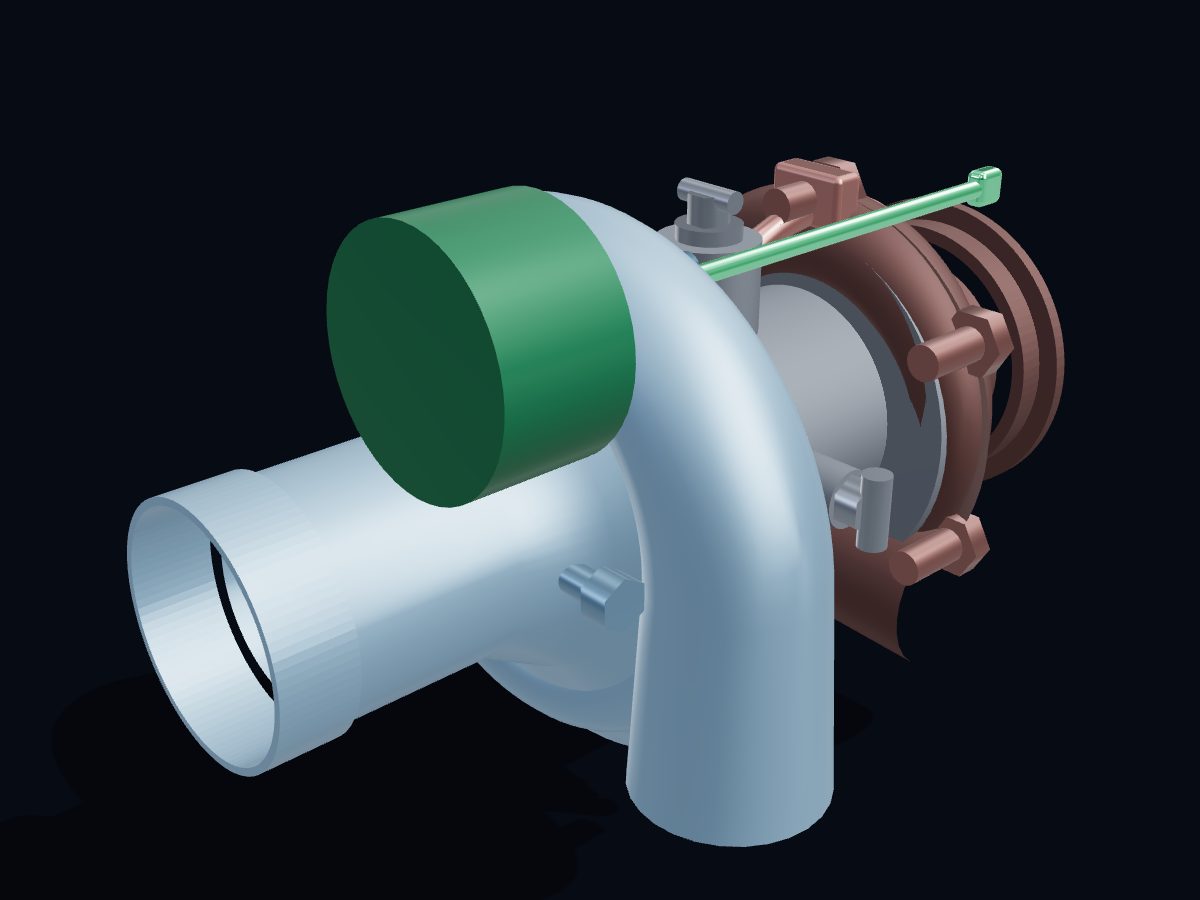
7 parts: Turbocharger, aftercooler, intake and water-cooled exhaust manifold.
Marine cooling
9 parts: Heat exchanger, sea water pump, coolant pump and thermostat: fresh water inside, sea water outside.
Lubrication
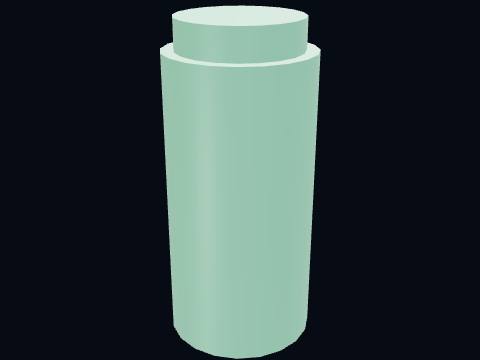
5 parts: Oil pan, oil, oil cooler, filters and dipstick.
Block & heads
6 parts: Cylinder block, wet liners, three cylinder heads, rocker housings, main caps and gear cover.
Flywheel housing & mounts
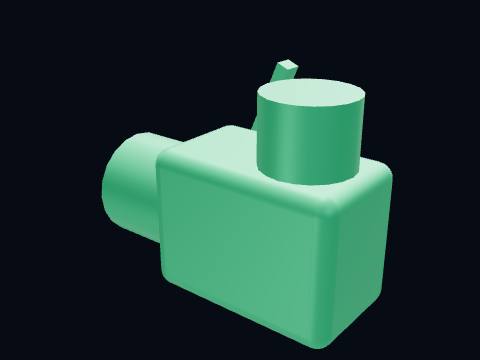
4 parts: Flywheel housing, starter, flexible mounts and the base plate.
All 62 parts of the marine diesel engine, one by one
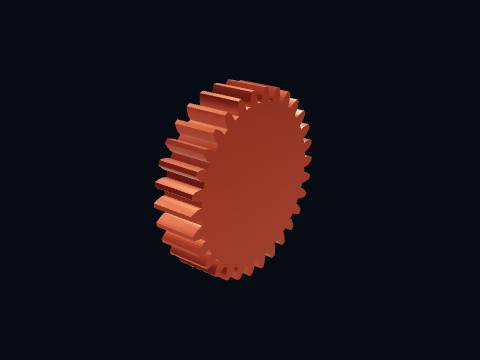
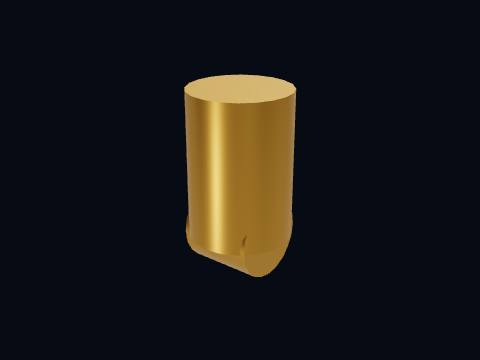
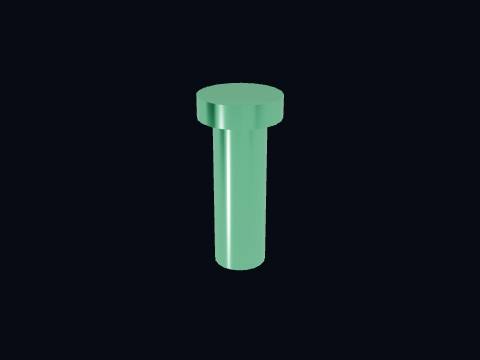
Every part with a picture, what it does and its own STL file: crankshaft, crankshaft gear (30 teeth), vibration damper, flywheel, flywheel ring gear, piston, piston pin, connecting rod and more. Open any part in the live 3D atlas to see where it sits and how it moves. A part used several times (valves, bolts) is shown once with its count.
Crankshaft, pistons, connecting rods, flywheel and damper.
Crankshaft
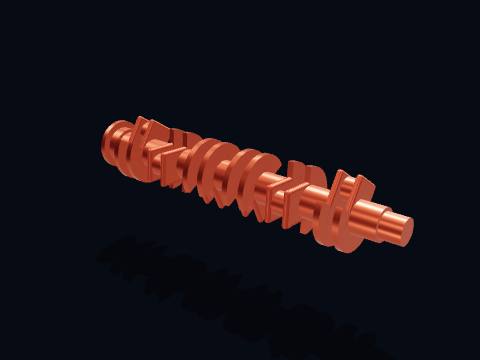
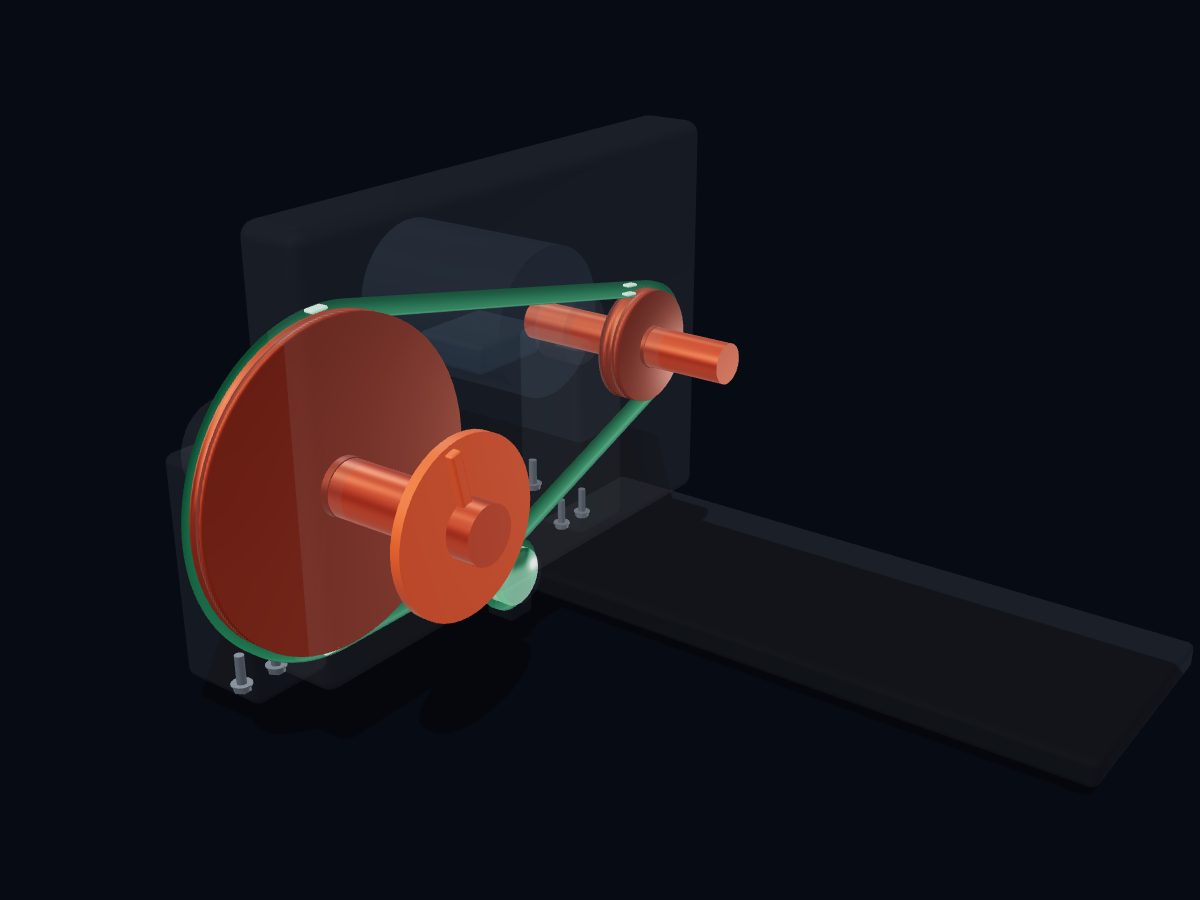
The crankshaft. Six throws turn the pistons' up-and-down motion into rotation. Throws 1 and 6, 2 and 5, 3 and 4 share a direction, 120° apart, so a cylinder fires every 120° of rotation.
More about this part
Counterweights opposite each throw balance the rotating mass. An inline six is naturally in balance, so it needs no balance shafts.
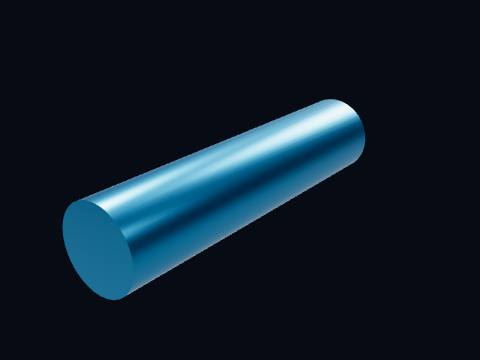
Seven main journals: one between every pair of cylinders and one at each end.
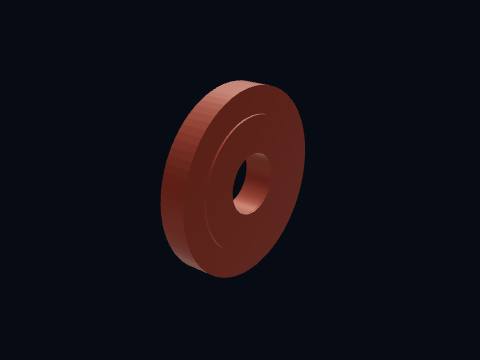
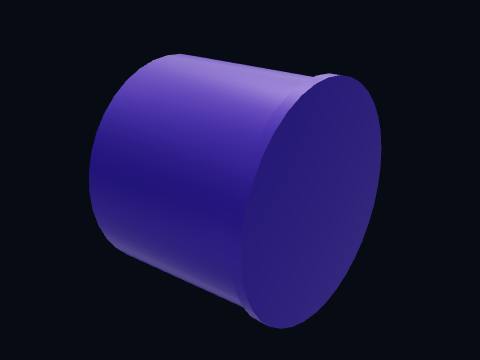
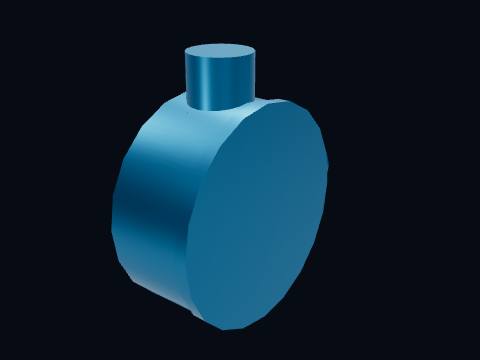
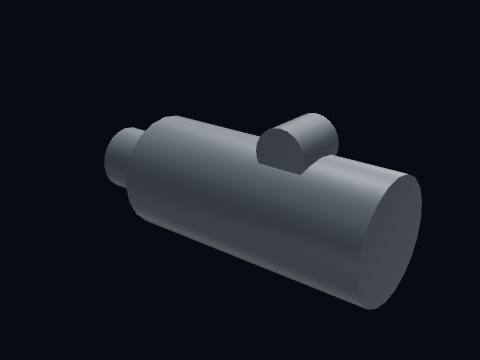
The vibration damper on the front of the crankshaft. A long six-throw crankshaft twists back and forth slightly with each power stroke; the damper absorbs that torsional vibration before it can crack the crank.
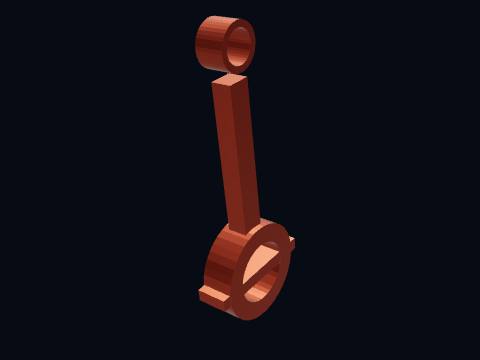
A connecting rod, about 292 mm between centres. It carries the combustion force from the piston to the crankpin, in compression on the power stroke and in tension at the top of the exhaust stroke.
Camshaft, followers, push tubes, rocker levers, crossheads, 24 valves and their springs.
Camshaft
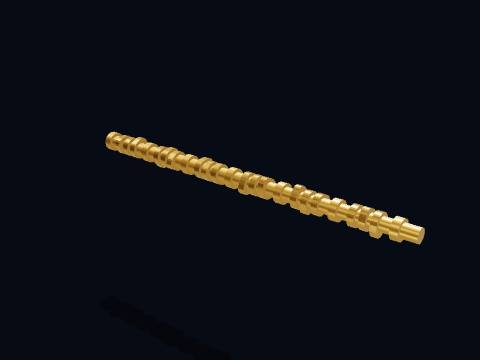
The camshaft. It turns at half crankshaft speed and has three lobes per cylinder: intake, injector and exhaust. "Big Cam" refers to its larger diameter; Big Cam engines from 1976 on moved from 2 in to 2.5 in cam journals so the injector lobe could build higher injection pressure.
More about this part
The middle lobe of each set drives the unit injector, not a valve.
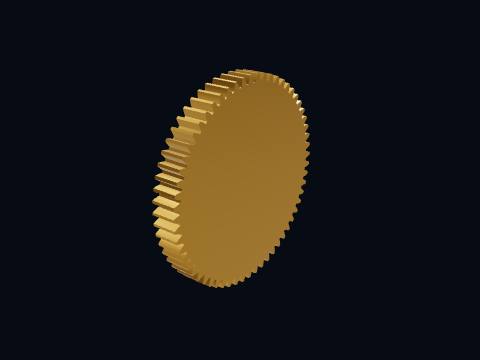
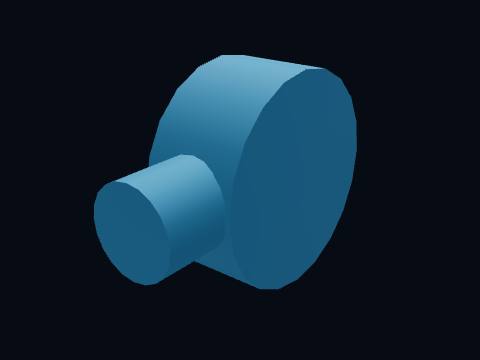
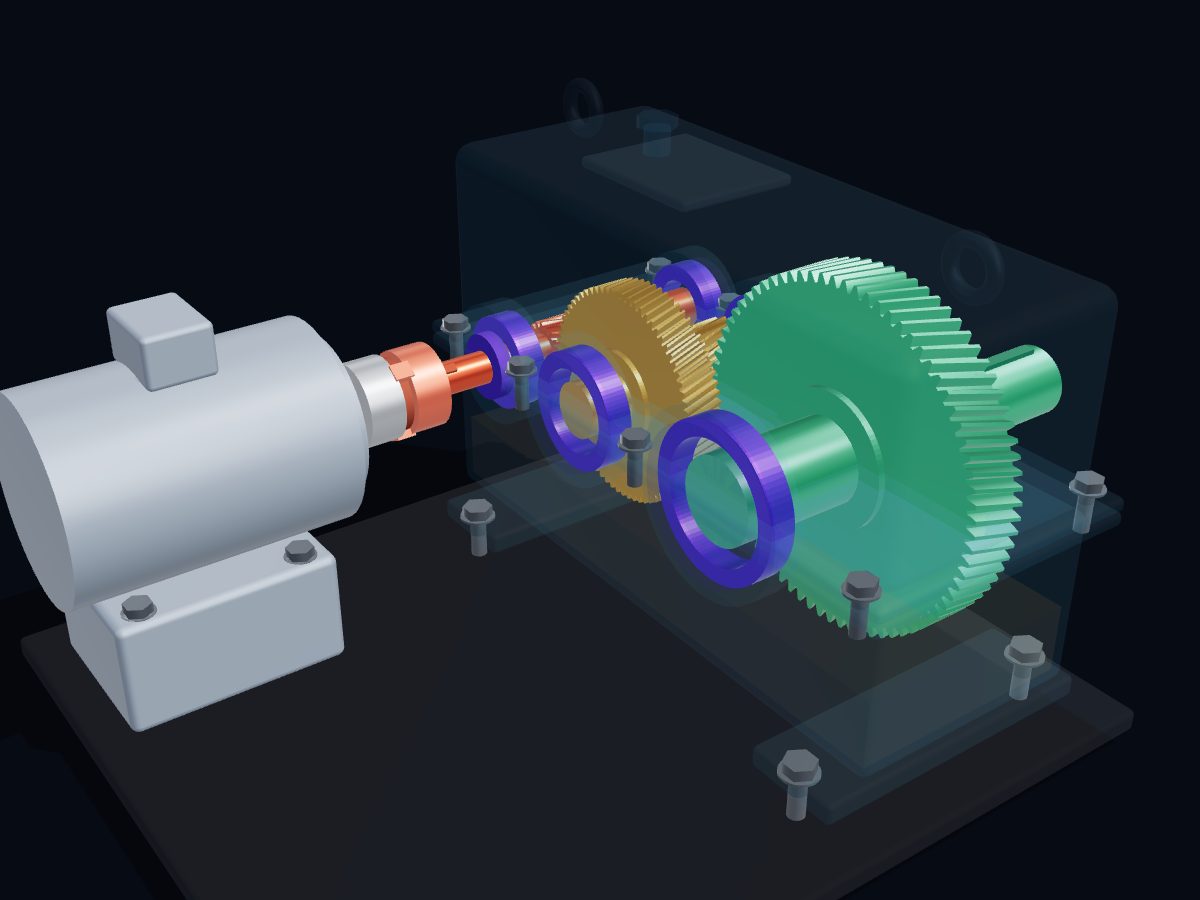
The camshaft gear. It has twice as many teeth as the crankshaft gear, so the camshaft turns once for every two crank turns, once per full four-stroke cycle.
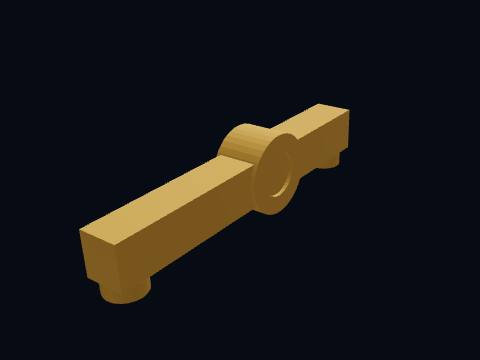
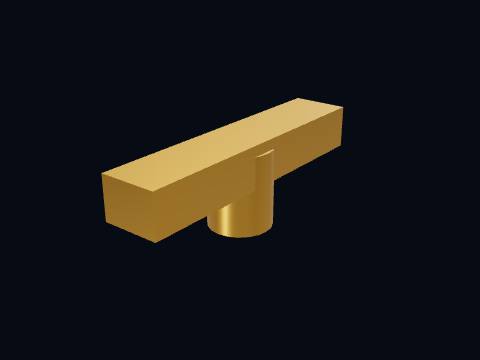
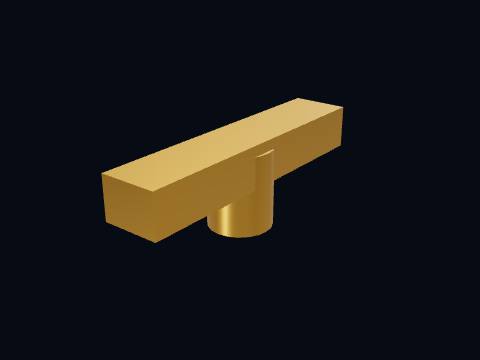
A rocker lever. Its push-tube arm is shorter than its valve arm (59.666295470957664 : 90 mm), so 1 mm of cam lift becomes 1.5083892721948382 mm at the valves or injector.
A rocker lever. Its push-tube arm is shorter than its valve arm (59.666295470957664 : 90 mm), so 1 mm of cam lift becomes 1.5083892721948382 mm at the valves or injector.
A rocker lever. Its push-tube arm is shorter than its valve arm (59.666295470957664 : 90 mm), so 1 mm of cam lift becomes 1.5083892721948382 mm at the valves or injector.
PT pump, filter, supply and drain lines, and six cam-driven unit injectors.
PT unit injector ×6
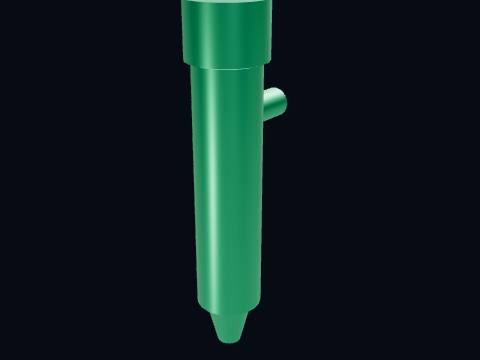
A PT unit injector, one per cylinder in the centre of the head. Fuel from the PT pump arrives at low pressure; the injector cam then drives the plunger down and forces the metered fuel through tiny holes into the cylinder at over 1,300 bar.
More about this part
"PT" stands for pressure-time: the amount of fuel depends on the fuel pressure and the time the metering hole is open.
The PT fuel pump. A gear pump draws fuel from the tank; a governor and the throttle set the fuel pressure in the supply line, and that pressure decides how much fuel each injector meters.
More about this part
On the PT system the pump only sets pressure. The injectors themselves build the high injection pressure.
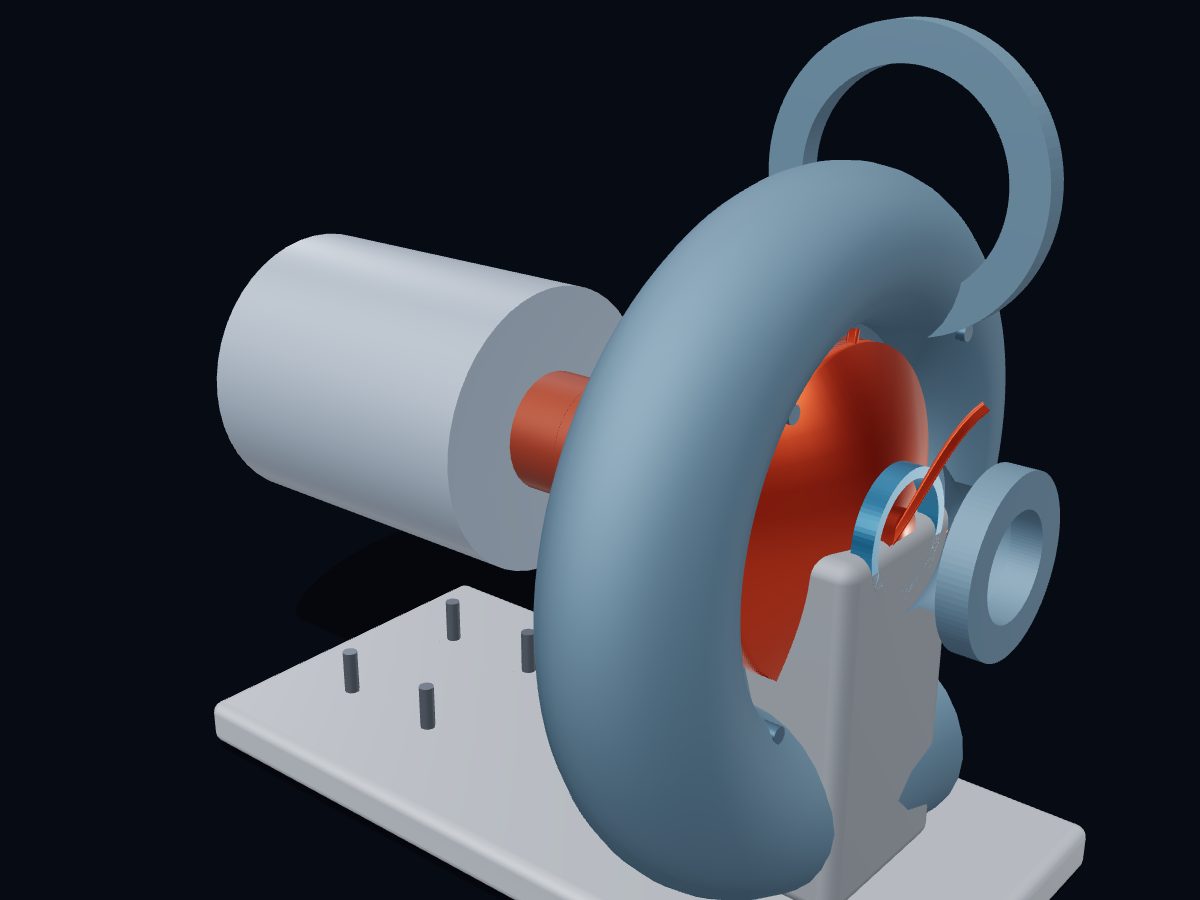
The aftercooler and intake manifold. Compressing air heats it; the aftercooler cools it again so it is denser and the engine makes more power with lower temperatures. The "A" in NTA855 means aftercooled.
Heat exchanger, sea water pump, coolant pump and thermostat: fresh water inside, sea water outside.
Heat exchanger and expansion tank
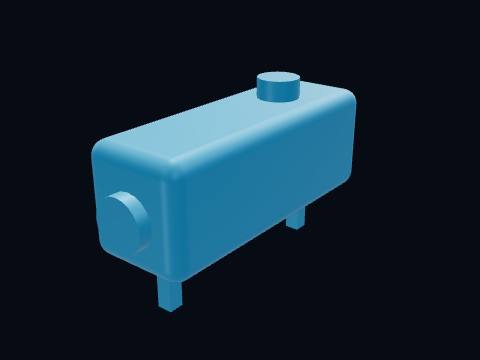
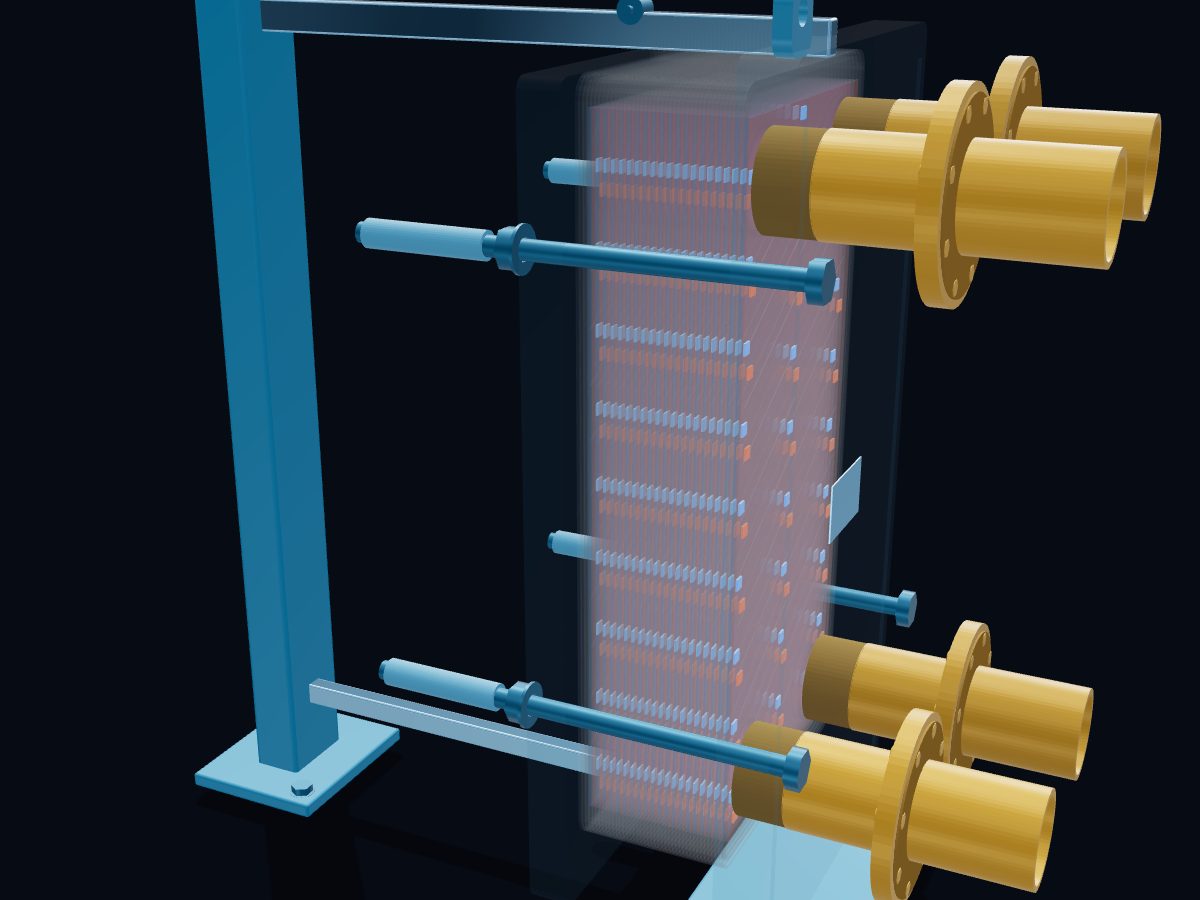
The heat exchanger and expansion tank. Engine coolant (fresh water) flows around the tubes; sea water pumped through the tubes carries the heat overboard. Sea water never touches the engine's insides.
Cylinder block, wet liners, three cylinder heads, rocker housings, main caps and gear cover.
Cylinder block
The cylinder block, one iron casting that carries all six cylinders, the crankshaft and the camshaft. It is 14.0 litres of displacement in a block about 1.1 m long.
More about this part
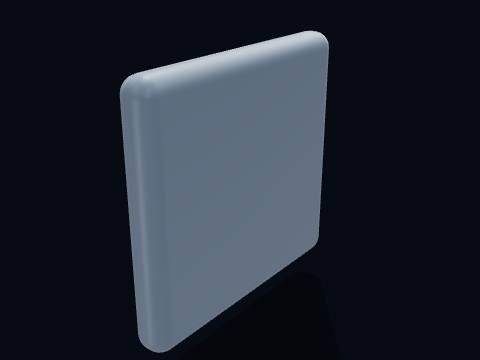
Drawn see-through so the moving parts stay visible.
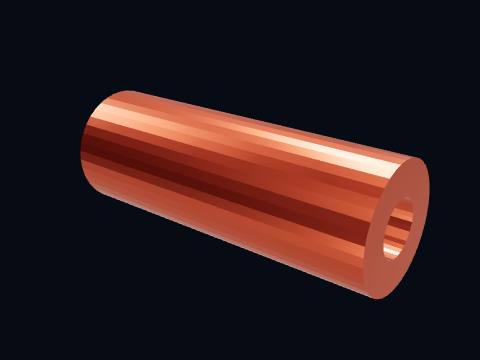
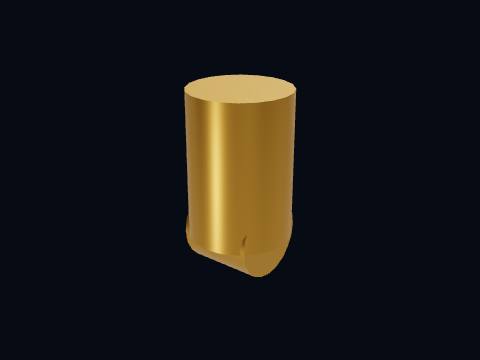
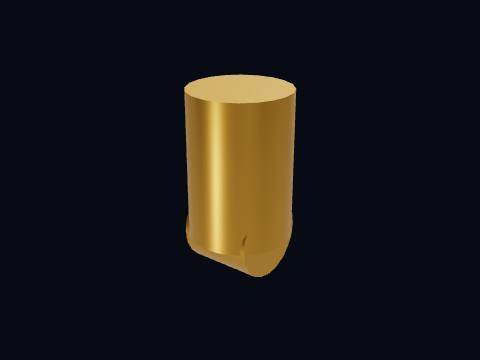
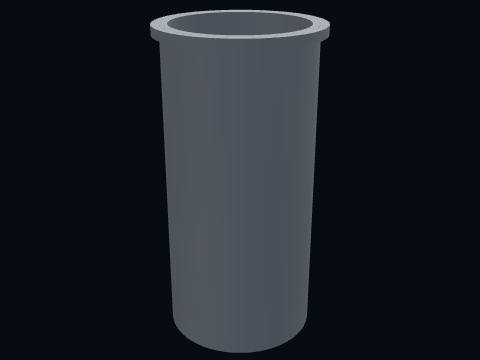
A wet cylinder liner. The piston runs inside this replaceable sleeve, and coolant flows directly around its outside. When a bore wears, a mechanic swaps the 140 mm liner instead of re-boring the block.
More about this part
O-rings at the bottom seal the coolant from the crankcase. Leaking liner seals put coolant in the oil.
A cylinder head. Like the real engine, each head covers two cylinders, so a six has three heads. It carries four valves and one unit injector per cylinder, with coolant passages around them.
More about this part
Three short heads are easier to lift and less prone to warping than one long head.
Is the marine diesel engine 3D model free to download?
Yes. The marine diesel engine 3D model is free for personal and educational use under CC BY-NC 4.0: credit "Engine-X by Parth Parmar (engx3d.com)". Selling the files or prints, or other commercial use, needs written permission.
Which file formats is the marine diesel engine 3D model in?
GLB (glTF 2.0) with colours and named parts, STL in millimetres (Z-up) for CAD, slicers and 3D printing, USDZ for AR on iPhone, and a ZIP with all 62 parts as separate STL files.
How many parts does the marine diesel engine 3D model have?
207 named pieces in 8 systems (crank train, camshaft & valve train, pt fuel system, turbo, air & exhaust, marine cooling, lubrication, block & heads, flywheel housing & mounts). Repeated pieces such as bolts are folded together, which leaves 62 different parts, each one downloadable on its own.
Can I 3D print the marine diesel engine model?
Yes, download the STL (whole machine or single parts) and open it in your slicer. It is a learning model at real scale, not a print kit: some parts touch or overlap and there are no fit tolerances, so scale it and print parts one by one.
How do I see the marine diesel engine in AR on my phone?
Tap "View in your room" on this page. Android opens Google Scene Viewer and iPhone opens AR Quick Look, both without an app, and you can place the model at real size on the floor or a table.
Can I see the marine diesel engine working in 3D?
Yes. Tap "Play live 3D here" or open the Engine-X atlas (engx3d.com/atlas#m=diesel855): it runs in the browser with true motion, and you can explode it, cut it open and X-ray it.
How to credit or cite this model
Credit line: Marine diesel engine 3D model, Engine-X by Parth Parmar (engx3d.com)
Citation: Parmar, P. (2026). Marine diesel engine 3D model [3D model, CC BY-NC 4.0]. Engine-X. https://engx3d.com/3d-models/marine-diesel-engine
Used this model?
For a class, a project, a print or a video? Tell us how it went. With your OK, we may feature your work here.
 Open full screen →
 View in your room · AR