 View in your room · AR
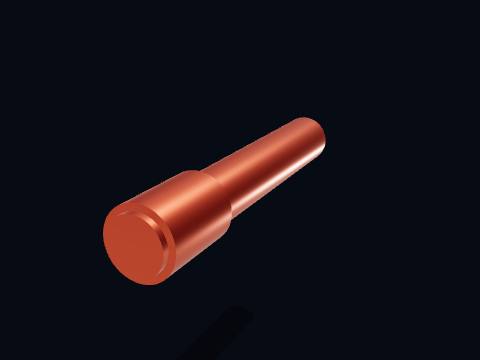
Input shaft
The input shaft is driven by the motor through a clamping coupling, and its end carries the sun gear.
More about this part
- Speed: 1440 rpm
- Torque: ≈ 9.9 N·m
Free 3D model · STL · GLB · AR
By Parth Parmar, mechanical design engineer · 55 pieces, 27 parts · Updated
A planetary gearbox has a central sun gear, several planet gears around it on a carrier, and an outer ring gear with internal teeth. Hold the ring still and drive the sun: the planets roll round inside the ring and turn the carrier slowly. The ratio is 1 + ring teeth ÷ sun teeth.
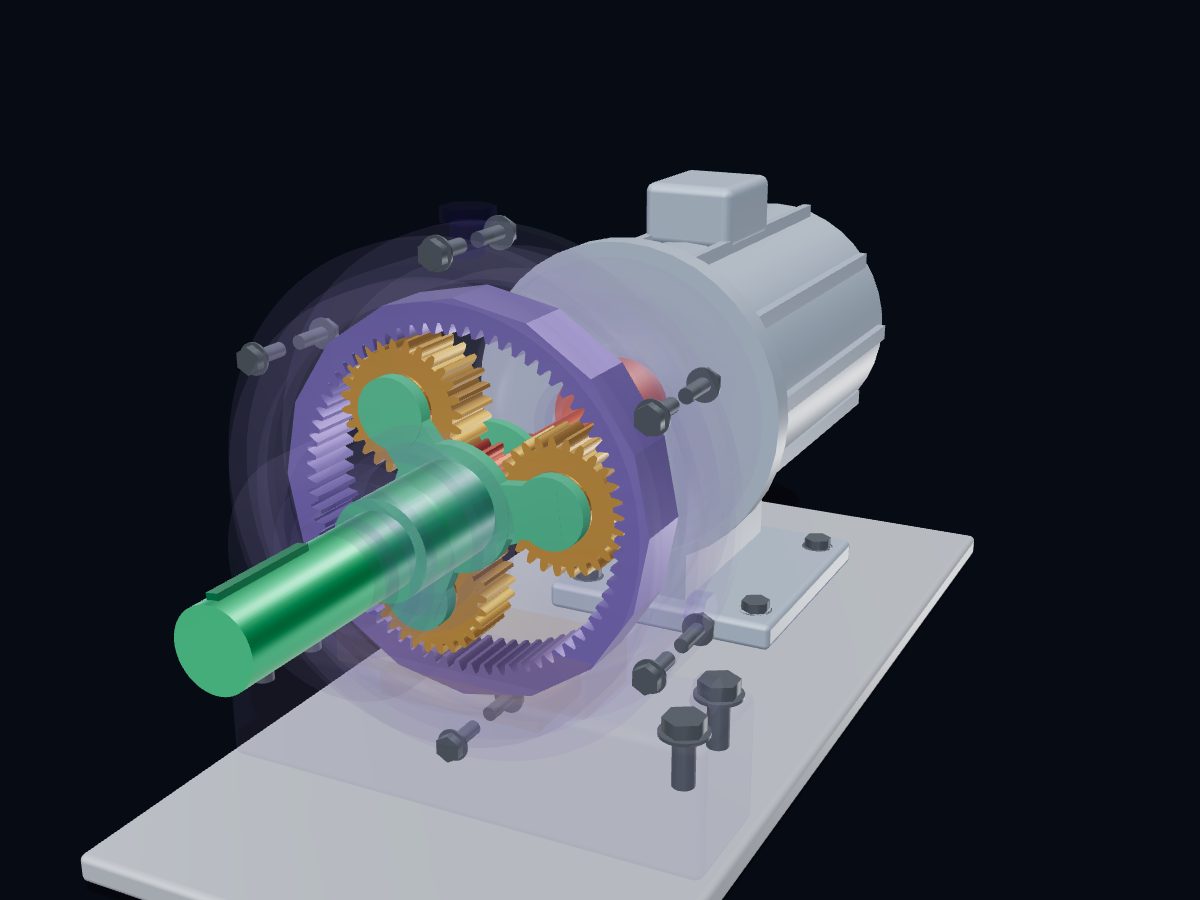 Open full screen →
Live 3D: drag to turn it, pinch to zoom, explode it, cut it open, X‑ray it and watch it run. Free, in your browser, no app. Open it full screen →
Single parts: scroll to the parts list. These are learning models, not a print kit: some parts touch or overlap and there are no fit tolerances.
Free for personal and educational use under CC BY-NC 4.0. Credit “Engine-X by Parth Parmar (engx3d.com)” when you share or remix it. Don’t sell the files or prints. For commercial use, get in touch. Every file carries the Engine-X mark and a hidden digital fingerprint that identifies it.
| Machine | Sun 18 · planets 3 × 27 · ring 72 · 5 : 1 |
|---|---|
| Parts modeled | 55 named parts in 6 systems (27 different parts to download) |
| Model size | 300 × 334 × 695 mm (real scale) |
| Formats | GLB (glTF 2.0) 3.5 MB, STL 2.4 MB, USDZ for iPhone AR, ZIP of part STLs 0.3 MB |
| Live 3D | Engine‑X atlas: true motion, explode, section, X‑ray |
| License | CC BY-NC 4.0, free with credit |
| Sun & input | 3 parts: Input shaft, sun gear and coupling hub, at motor speed. |
|---|---|
| Planet gears | 5 parts: Three planet gears with their needle bearings and thrust washers. |
| Carrier & output | 4 parts: Planet carrier, planet pins, output shaft and key: the slow, high-torque side. |
| Ring gear & housing | 10 parts: Fixed ring gear, housings, bearings, seal, oil and plugs. |
| Motor & base | 2 parts: Motor and base plate. |
| Hardware | 3 parts: Housing, foot and motor bolts. |
Every part with a picture, what it does and its own STL file: input shaft, sun gear (18 teeth), input coupling (clamping hub), planet gear 1 (27 teeth), planet needle bearing, planet thrust washer, planet gear 2 (27 teeth), planet gear 3 (27 teeth) and more. Open any part in the live 3D atlas to see where it sits and how it moves. A part used several times (valves, bolts) is shown once with its count.
↓ Download all parts · ZIP · 0.3 MB
Input shaft, sun gear and coupling hub, at motor speed.
The input shaft is driven by the motor through a clamping coupling, and its end carries the sun gear.
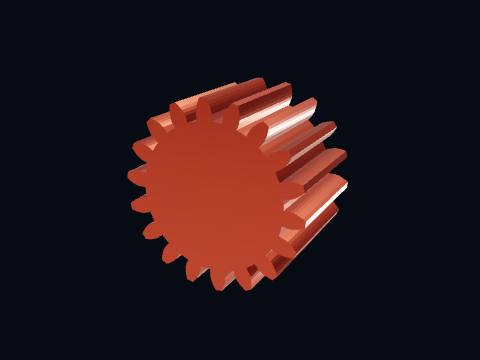
The sun gear, 18 teeth, in the middle of the set. It is cut on the end of the input shaft and turns at full motor speed, about 1440 rpm, driving all 3 planets at once.
Because three planets share the work, each tooth mesh carries only about a third of the torque.
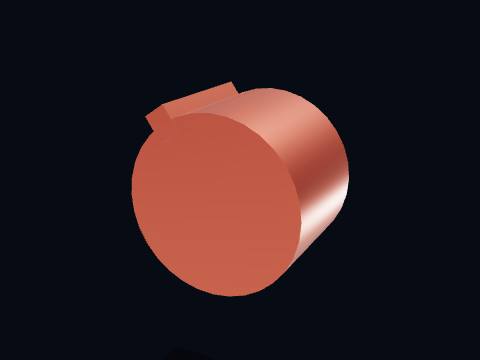
The input coupling (clamping hub) grips the motor shaft and turns the gearbox input shaft.
Three planet gears with their needle bearings and thrust washers.
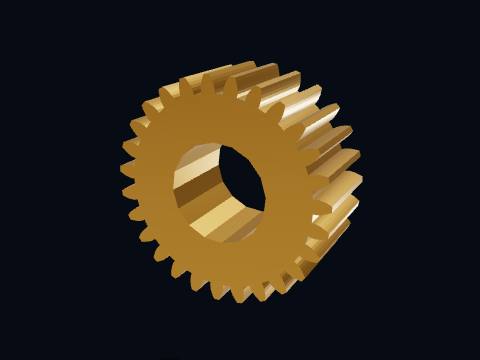
A planet gear with 27 teeth that meshes with the sun and the ring at the same time. It meshes with the sun on its inside and with the ring gear on its outside, so it spins on its own pin and, at the same time, walks round the ring, carrying the carrier with it.
Planets are idlers: they change nothing in the ratio by themselves. Their size just has to fit: ring teeth = sun teeth + 2 × planet teeth.
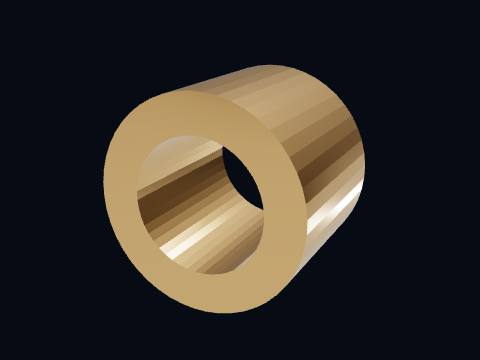
A needle roller bearing inside a planet gear. It lets the planet spin on its pin; it is one of the hardest-working bearings in the box, because it carries the full tooth load of its planet.

A thrust washer between a planet and the carrier plate. It keeps the planet centred on its pin and stops it rubbing on the carrier.
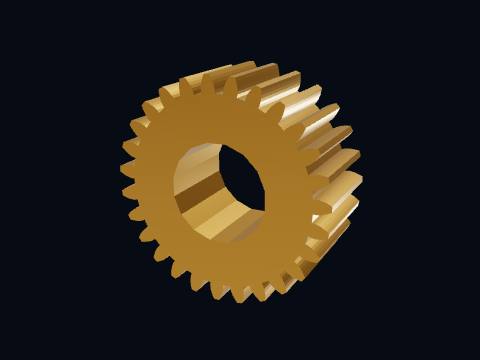
A planet gear with 27 teeth that meshes with the sun and the ring at the same time. It meshes with the sun on its inside and with the ring gear on its outside, so it spins on its own pin and, at the same time, walks round the ring, carrying the carrier with it.
Planets are idlers: they change nothing in the ratio by themselves. Their size just has to fit: ring teeth = sun teeth + 2 × planet teeth.
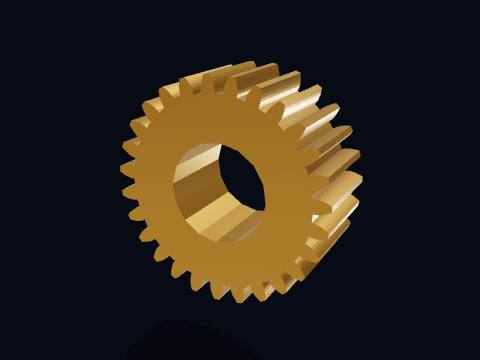
A planet gear with 27 teeth that meshes with the sun and the ring at the same time. It meshes with the sun on its inside and with the ring gear on its outside, so it spins on its own pin and, at the same time, walks round the ring, carrying the carrier with it.
Planets are idlers: they change nothing in the ratio by themselves. Their size just has to fit: ring teeth = sun teeth + 2 × planet teeth.
Planet carrier, planet pins, output shaft and key: the slow, high-torque side.

The planet carrier is the output member of the planetary gearbox, turning slowly as the planets roll round the ring. The three planet pins sit in it, so as the planets roll round the fixed ring, the carrier turns 5 times slower than the sun, in the same direction.
Here the two three-armed plates are tied together by the planet pins; heavier carriers add bridges between the planets.
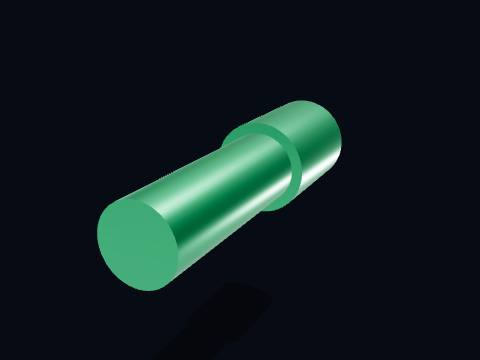
The output shaft is part of the planet carrier and delivers the slow, high-torque drive. It turns at about 288 rpm with almost 5 times the motor torque, about 50 N·m before friction losses.
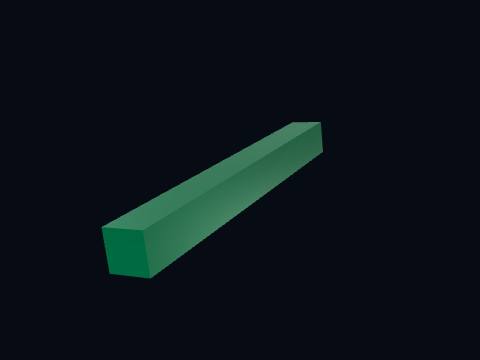
The output shaft key, which locks the coupling or sprocket to the shaft.
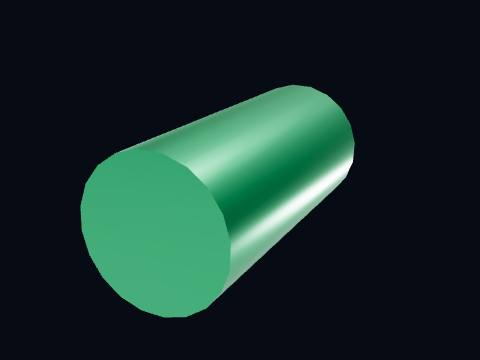
A planet pin, pressed into both carrier plates, holds one planet gear at a fixed distance from the gearbox centre.
Fixed ring gear, housings, bearings, seal, oil and plugs.
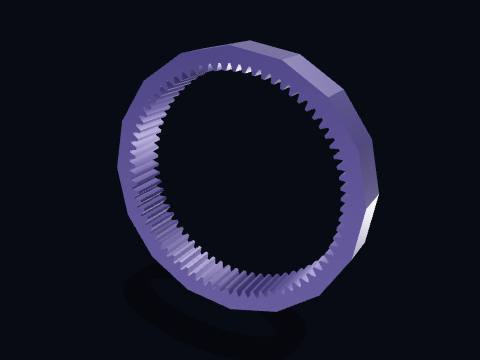
The ring gear (annulus), 72 teeth cut on the inside. It is held still in the housing, which is what makes the carrier the slow output: ratio = 1 + 72 ÷ 18 = 5 : 1.
Hold the carrier still instead and the ring becomes the output, turning backwards at 4 : 1; hold the sun and drive the ring, and the carrier turns at 1.25 : 1. One gear set, three ratios.
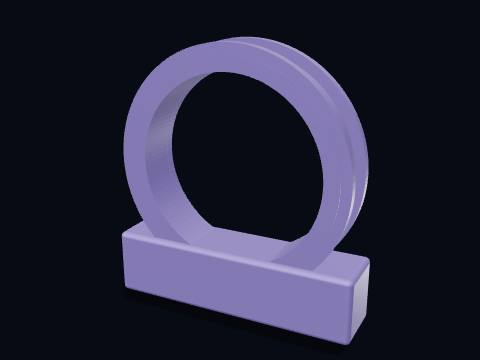
The gear housing around the ring gear, cast with the mounting feet. Drawn see-through so the gears stay visible.
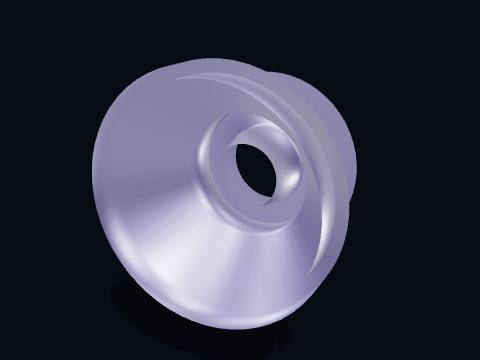
The input housing (motor adapter) bolts the motor to the gearbox. It keeps the motor shaft exactly in line with the sun.
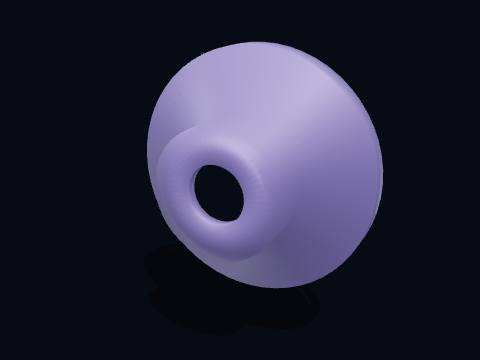
The output housing holds the two output shaft bearings and the oil seal at the slow end of the gearbox.

The input shaft bearing, a deep-groove ball bearing in the input housing.

An output shaft bearing is one of two ball bearings that support the planet carrier. Spaced apart, they carry the carrier and any side load from the driven machine (a sprocket or pulley on the shaft).

The output shaft oil seal: a spring-loaded rubber lip that keeps the oil in and the dirt out.
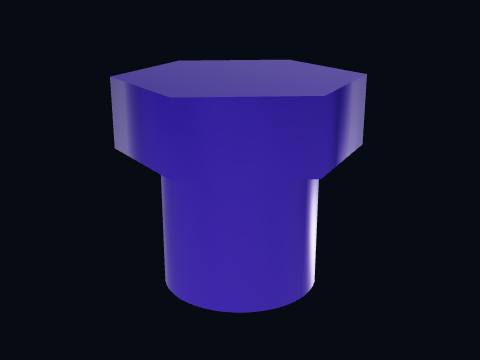
The breather plug lets warm air out of the gearbox housing as it heats up, so the housing does not pressurise and push oil past the seal.
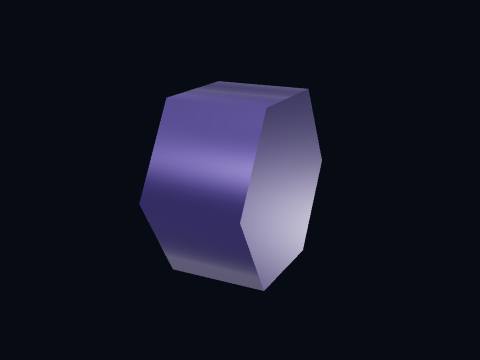
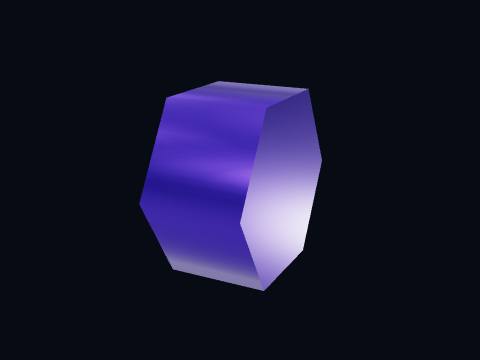
The oil level plug marks the correct oil level: with the gearbox stopped, oil should just reach this hole.
Motor and base plate.
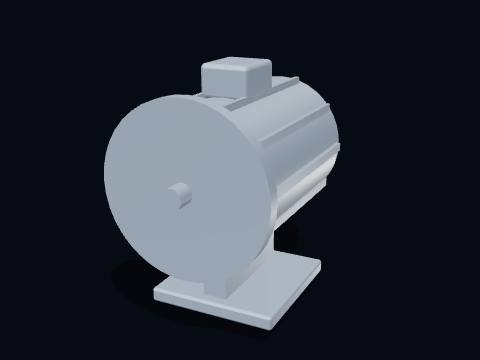
The driver: a 1.5 kW four-pole induction motor turning at about 1440 rpm on a 50 Hz supply.
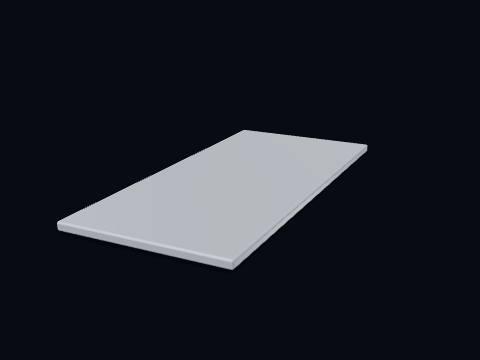
The base plate that holds the motor and gearbox in line.
Housing, foot and motor bolts.
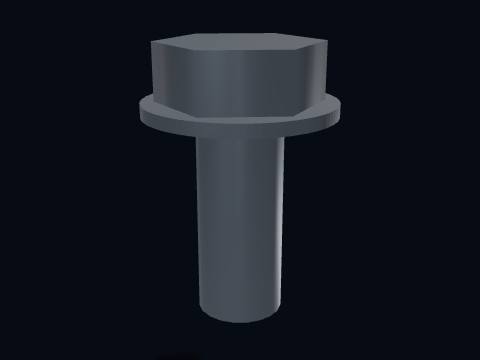
A hex bolt (grade 8.8) that holds the gearbox housings, motor or feet together.
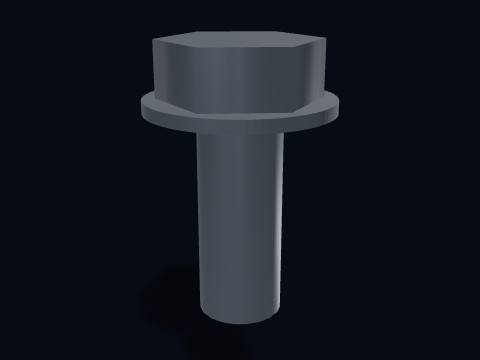
A hex bolt (grade 8.8) that holds the gearbox housings, motor or feet together.
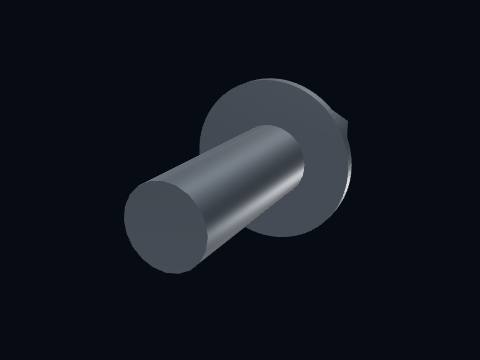
A hex bolt (grade 8.8) that holds the gearbox housings, motor or feet together.
How does it work? Read the step-by-step guide, with key facts and common questions.
How a planetary gearbox works →Yes. The planetary gearbox 3D model is free for personal and educational use under CC BY-NC 4.0: credit "Engine-X by Parth Parmar (engx3d.com)". Selling the files or prints, or other commercial use, needs written permission.
GLB (glTF 2.0) with colours and named parts, STL in millimetres (Z-up) for CAD, slicers and 3D printing, USDZ for AR on iPhone, and a ZIP with all 27 parts as separate STL files.
55 named pieces in 6 systems (sun & input, planet gears, carrier & output, ring gear & housing, motor & base, hardware). Repeated pieces such as bolts are folded together, which leaves 27 different parts, each one downloadable on its own.
Yes, download the STL (whole machine or single parts) and open it in your slicer. It is a learning model at real scale, not a print kit: some parts touch or overlap and there are no fit tolerances, so scale it and print parts one by one.
Tap "View in your room" on this page. Android opens Google Scene Viewer and iPhone opens AR Quick Look, both without an app, and you can place the model at real size on the floor or a table.
Yes. Tap "Play live 3D here" or open the Engine-X atlas (engx3d.com/atlas#m=planetary): it runs in the browser with true motion, and you can explode it, cut it open and X-ray it.
Credit line: Planetary gearbox 3D model, Engine-X by Parth Parmar (engx3d.com)
Citation: Parmar, P. (2026). Planetary gearbox 3D model [3D model, CC BY-NC 4.0]. Engine-X. https://engx3d.com/3d-models/planetary-gearbox
 TurbochargerJournal-bearing turbo · Ø60 mm compressor · internal wastegateView and download →
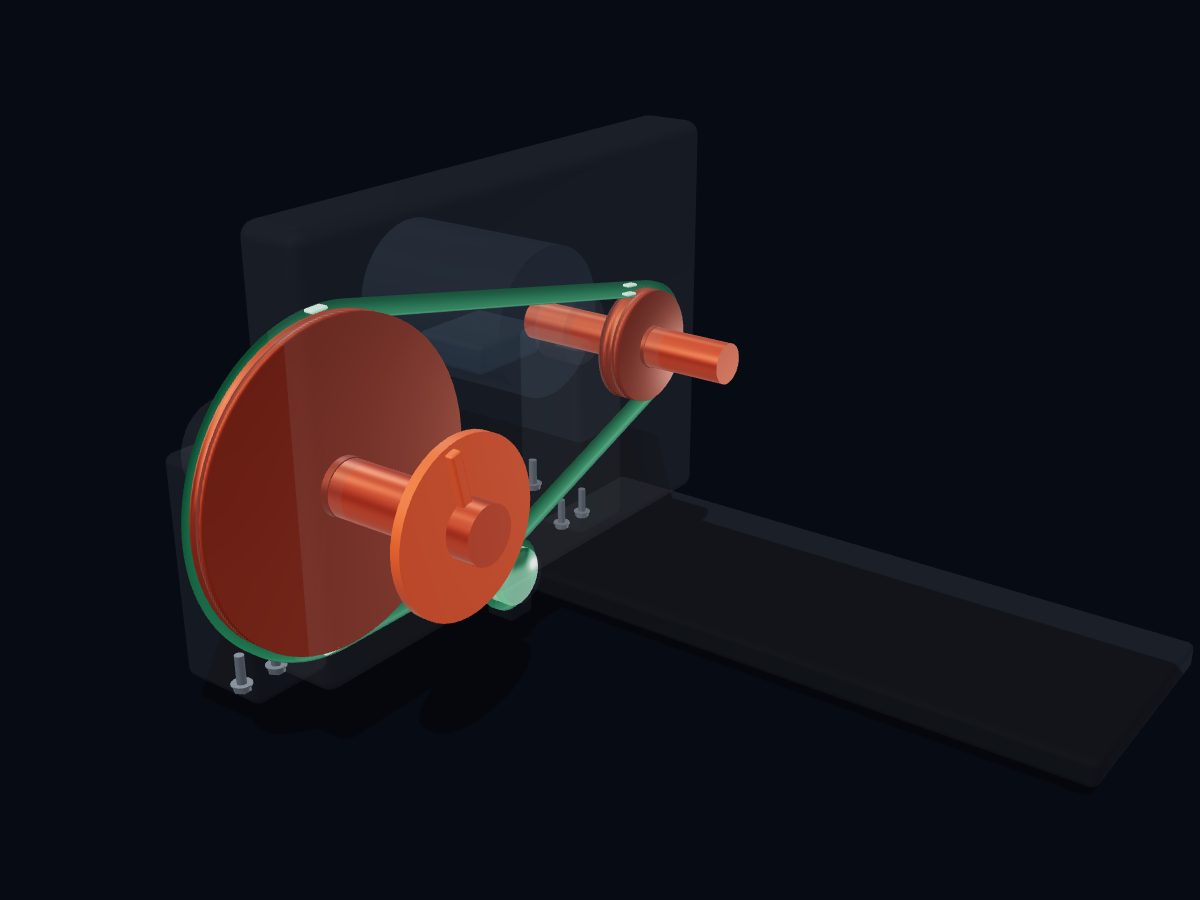 Pulley & belt driveV-belt speed reducer · Ø100/Ø250 mm pulleys · 2.50 : 1View and download →
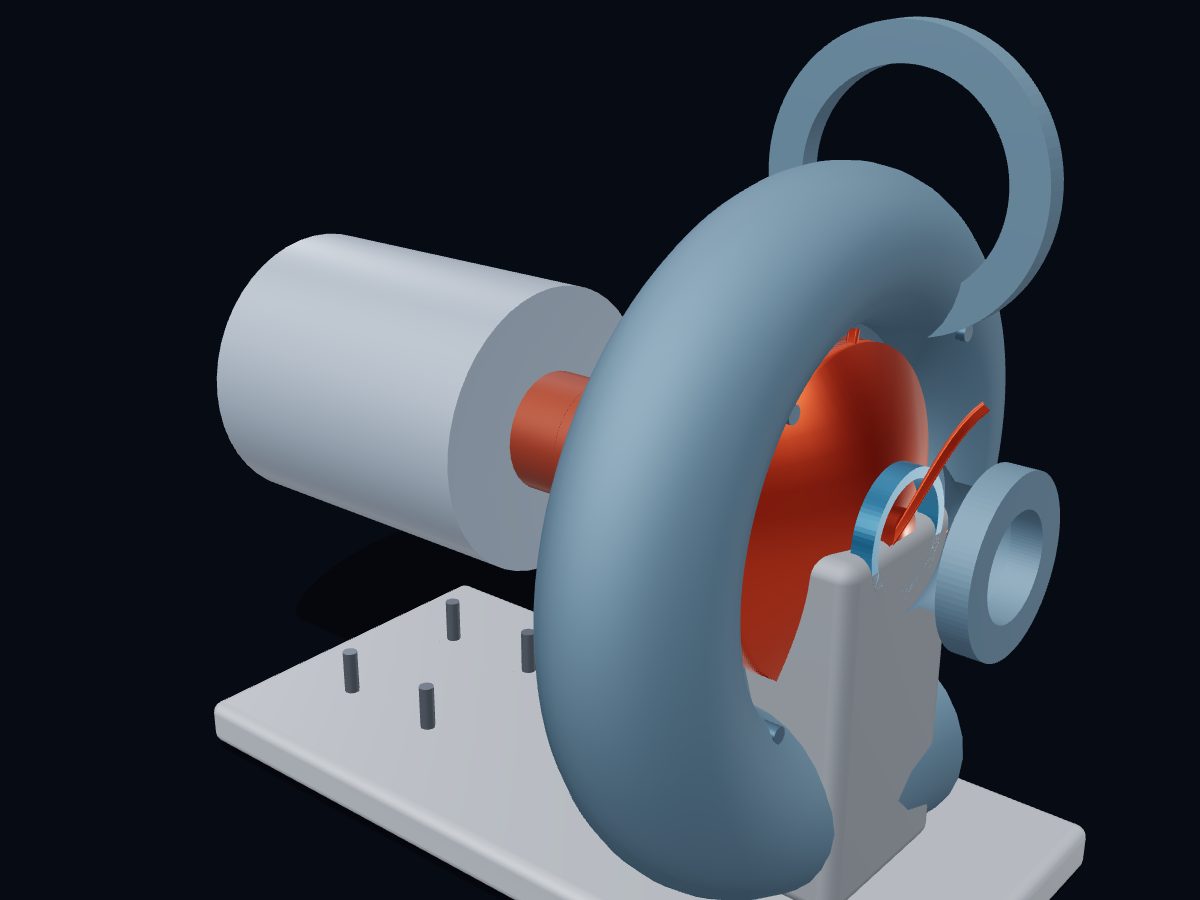 Centrifugal pumpSingle-stage end-suction · Ø164 mm impeller · 6 backward-curved vanesView and download →
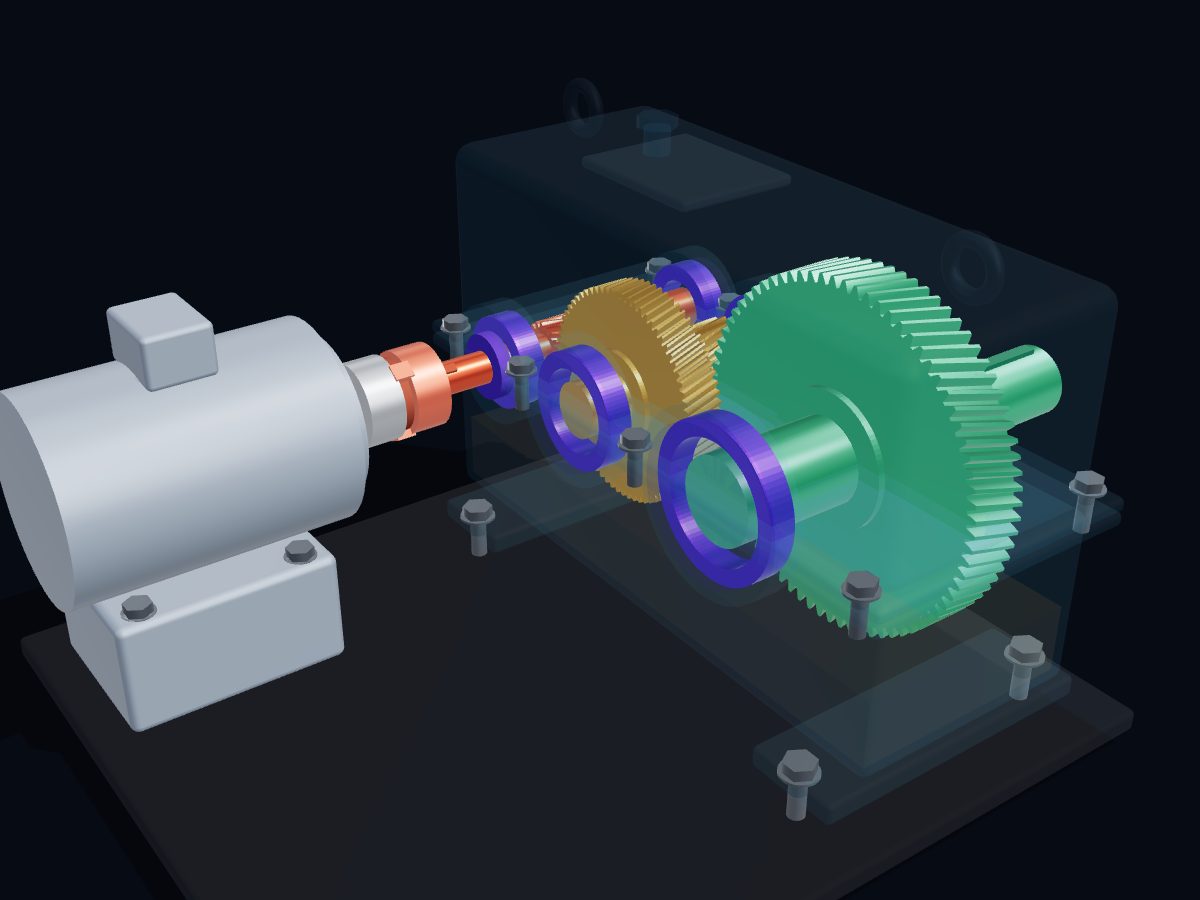 Helical gear reducerTwo-stage helical gearbox · 16 : 1 · 1440 → 90 rpmView and download →
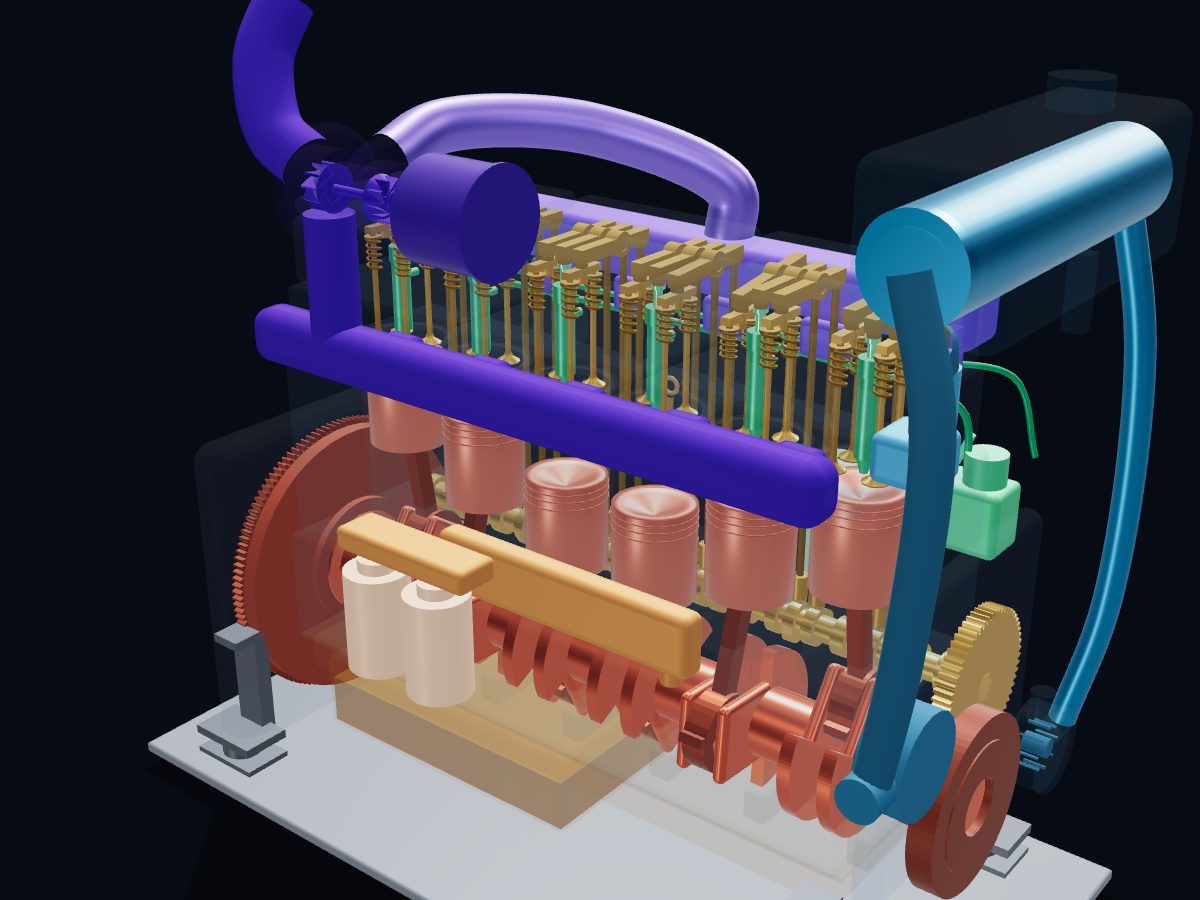 Marine diesel engineInline-6 · NT855 Big Cam style · 14 L · PT fuel systemView and download →
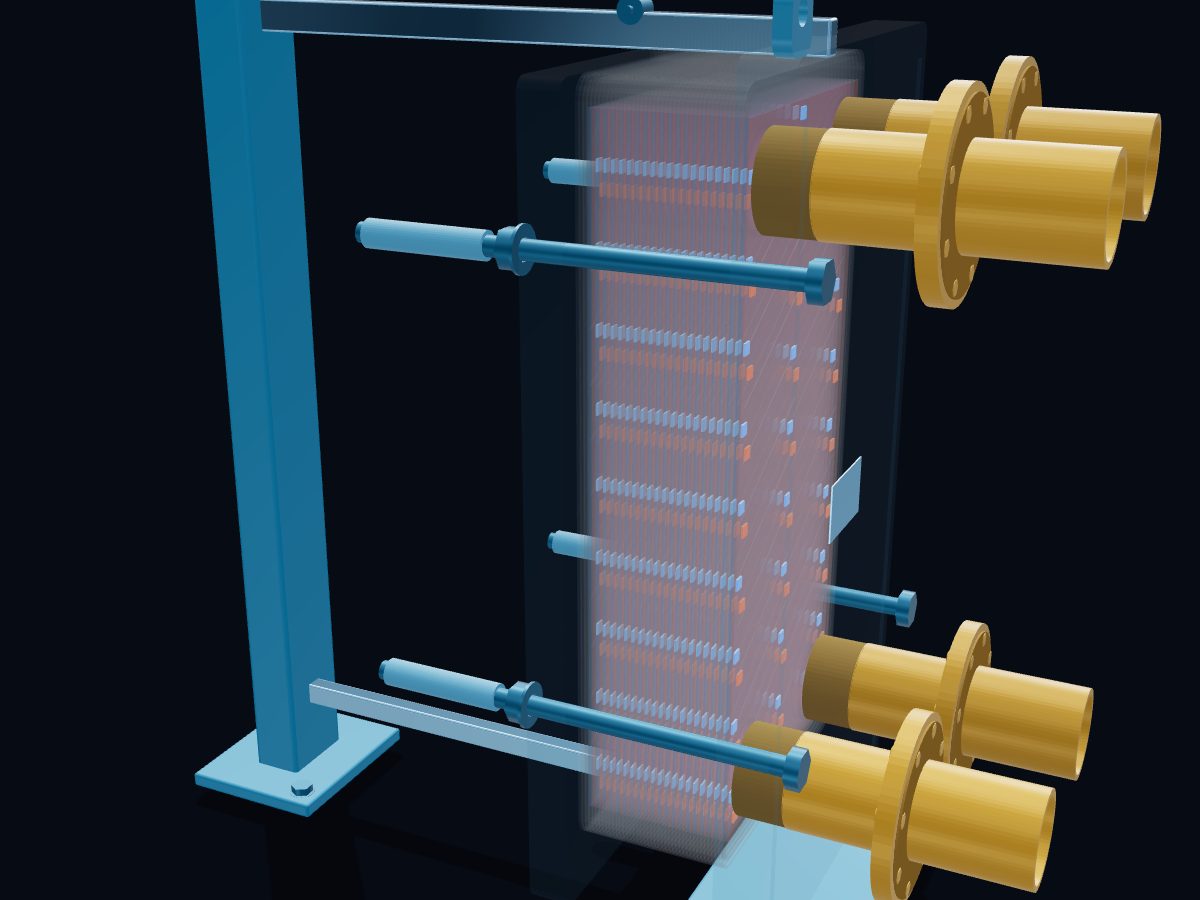 Plate heat exchangerGasketed, 41 plates · DN100 · countercurrentView and download →
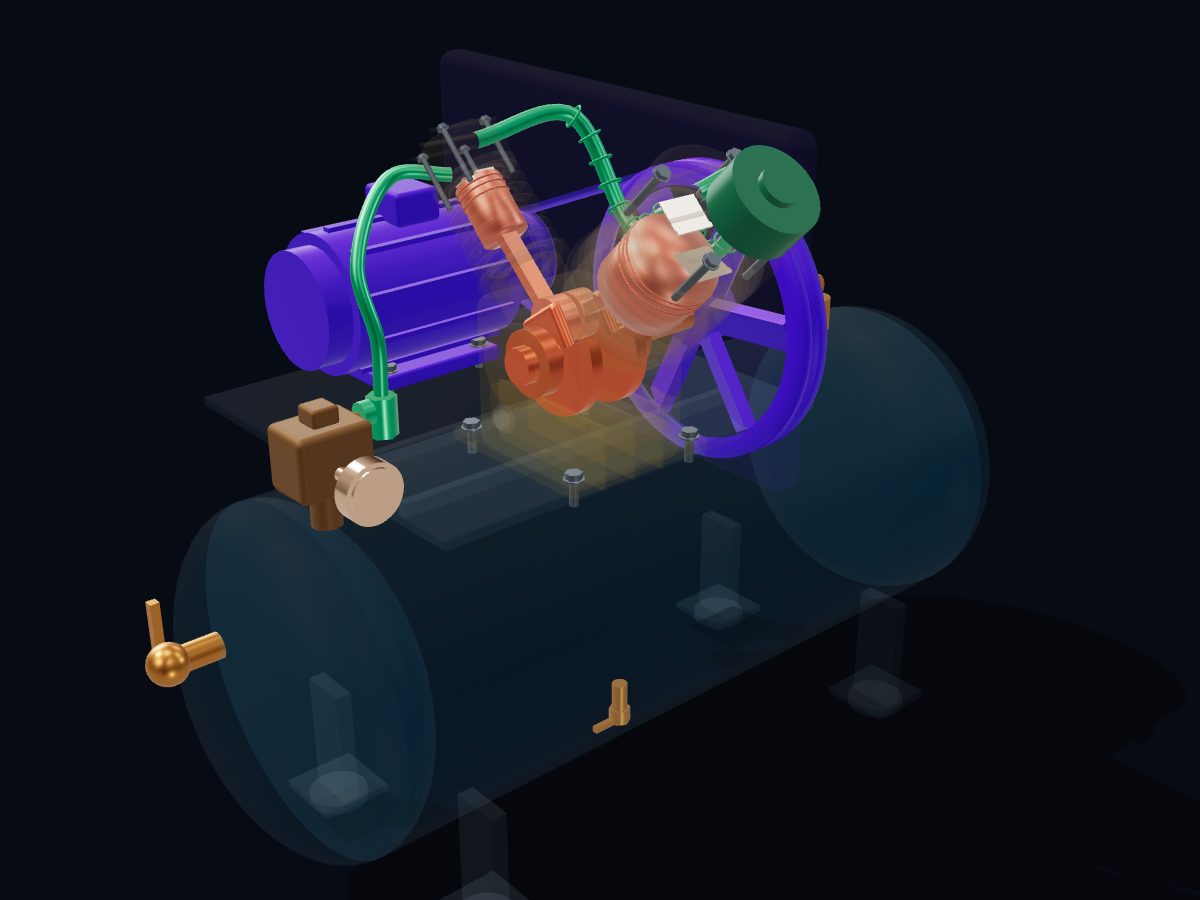 Reciprocating air compressorTwo-stage V-twin · 12 bar (175 psi) · 3.7 kWView and download →
All 3D models → · Live 3D atlas · Need an interactive 3D page for your own machine? Work with Engine‑X.