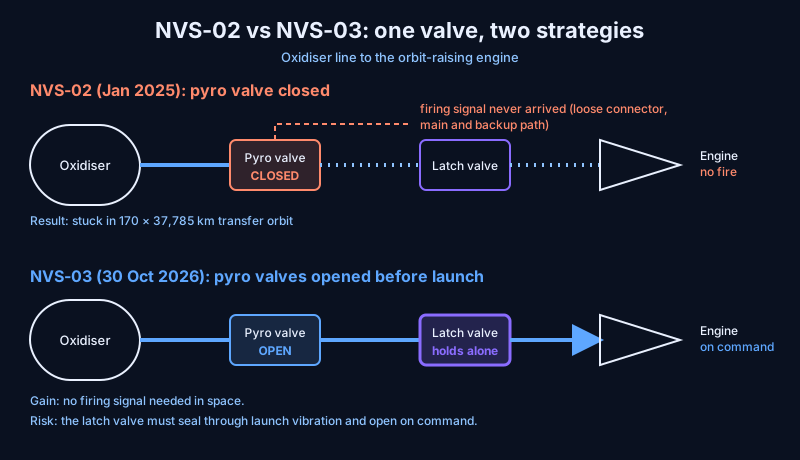
ISRO launched the NVS-03 navigation satellite on 30 October 2026 with three of its pyro valves already open. Its sister satellite NVS-02 was stranded in 2025 because the firing signal never reached one pyro valve on the oxidiser line. Opening the valves on the ground removes that step, but leaves a latch valve to hold the propellant back on its own.
ISRO's GSLV-F18, the 20th flight of the GSLV, placed NVS-03 in its geosynchronous transfer orbit from Sriharikota. NVS-03 is the third of ISRO's next-generation NavIC satellites, adding an L1 signal to the existing L5 and S-band signals. The launch matters because, as Eurasia Review notes from a July 2026 statement in Parliament, only three NavIC satellites were working, one short of the four needed for standalone positioning.
What went wrong with NVS-02?
NVS-02 failed because its orbit-raising engine never got oxidiser. The satellite reached a 170 × 37,785 km transfer orbit on 29 January 2025 and deployed its solar panels normally. But ISRO's Apex Committee found that the drive signal did not reach the pyro valve on the oxidiser line of that engine.
The most likely cause, the committee said, was the disengagement of at least one contact in a connector, in both the main and the redundant path. In other words, the backup failed for the same reason as the main line. Without oxidiser the engine could not fire, so NVS-02 is still stuck in its transfer orbit, The Week reports.
How does a pyro valve work?
A pyro valve is a single-use valve that keeps a propellant line sealed until a small explosive charge is fired electrically to open it. The Federal explains that once it fires, it cannot be closed again.
That makes pyro valves very good seals for launch: the propellant stays locked in its tank through ground handling and the violent ride to orbit. A latch valve is different: it can be commanded open and closed again during the mission. A typical satellite line therefore has both:
| Valve | How it opens | Can it close again? | Job |
|---|---|---|---|
| Pyro valve | Small explosive charge, fired by an electrical signal | No, one shot | Seal the propellant until the mission starts |
| Latch valve | Electrical command | Yes | Turn the flow on and off during the mission |
The same idea of "isolation first, then control" shows up on any ship or plant pipeline: a positive shut-off valve isolates the line and a second valve controls the flow, as in our guide to gate, globe, butterfly and check valves.
Why fly with the valves already open?
Flying with the pyro valves already open removes the step that failed on NVS-02: the electrical firing command in space. If the valve is open before launch, a loose connector cannot keep it shut.
Fact Net reports ISRO chairman V. Narayanan saying the satellite flew with three pyro valves already open, and that a national committee chaired by former ISRO chief A. S. Kiran Kumar approved the decision after vibration and shock testing. He also gave the injection accuracy: perigee 170.31 km against a planned 170.36 km.
The trade-off, The Federal points out, is that the propellant is now held back only by the downstream isolation latch valve:
- With the pyro valve open, any leakage collects at the latch valve, which now has to seal on its own.
- The spacecraft has to stay in that state through ground operations and the vibration and acceleration of the GSLV ascent.
- If the latch valve then fails to open in space, the mission is lost anyway.
ISRO has swapped one single point of failure (the firing signal) for a different one (the latch valve), and judged the second one safer after testing.
The engineering takeaway
NVS-02 was lost not to a big engine failure but to one connector contact, which knocked out the main and backup firing paths together. For NVS-03, ISRO removed that step by opening the one-shot pyro valves on the ground. Whether the trade worked will show in the coming orbit-raising burns. The lesson for any engineer is the same one used in pressure testing and valve inspection: redundancy only helps when the backup does not share the weak point. Our hydrostatic pressure testing guide shows how a sealed line is proved before it goes into service.
 Turbocharger
 Centrifugal Pump
 V-Belt Pulley Drive
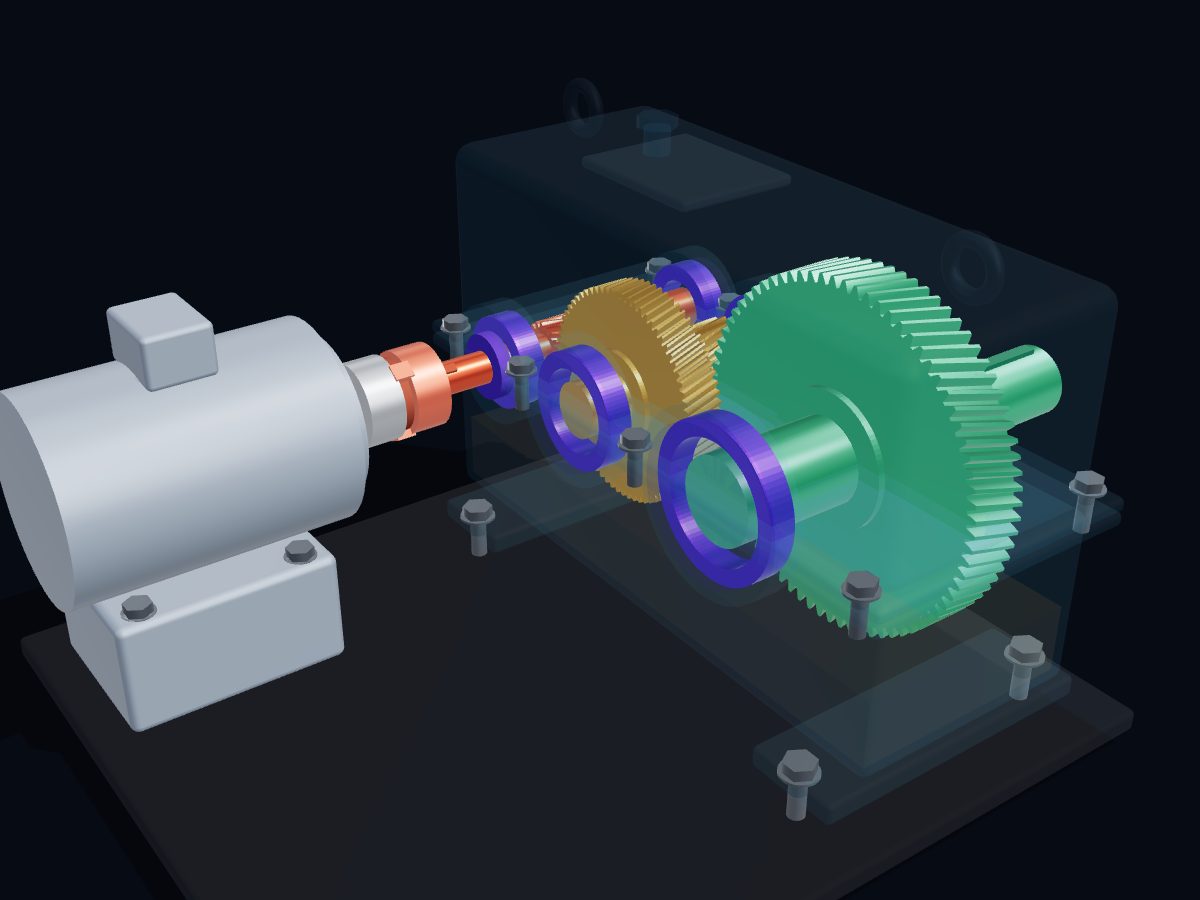 Helical Gear Reducer
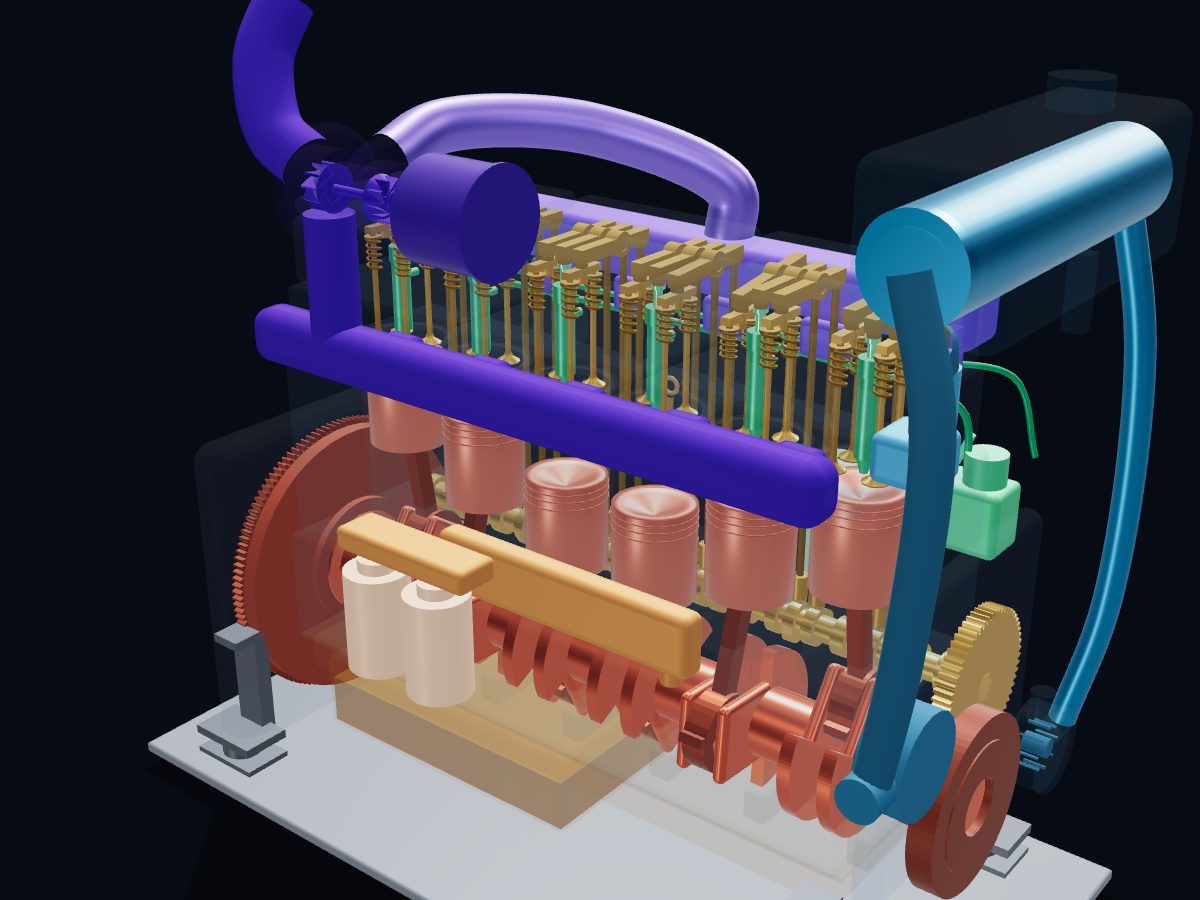 Marine Diesel Engine
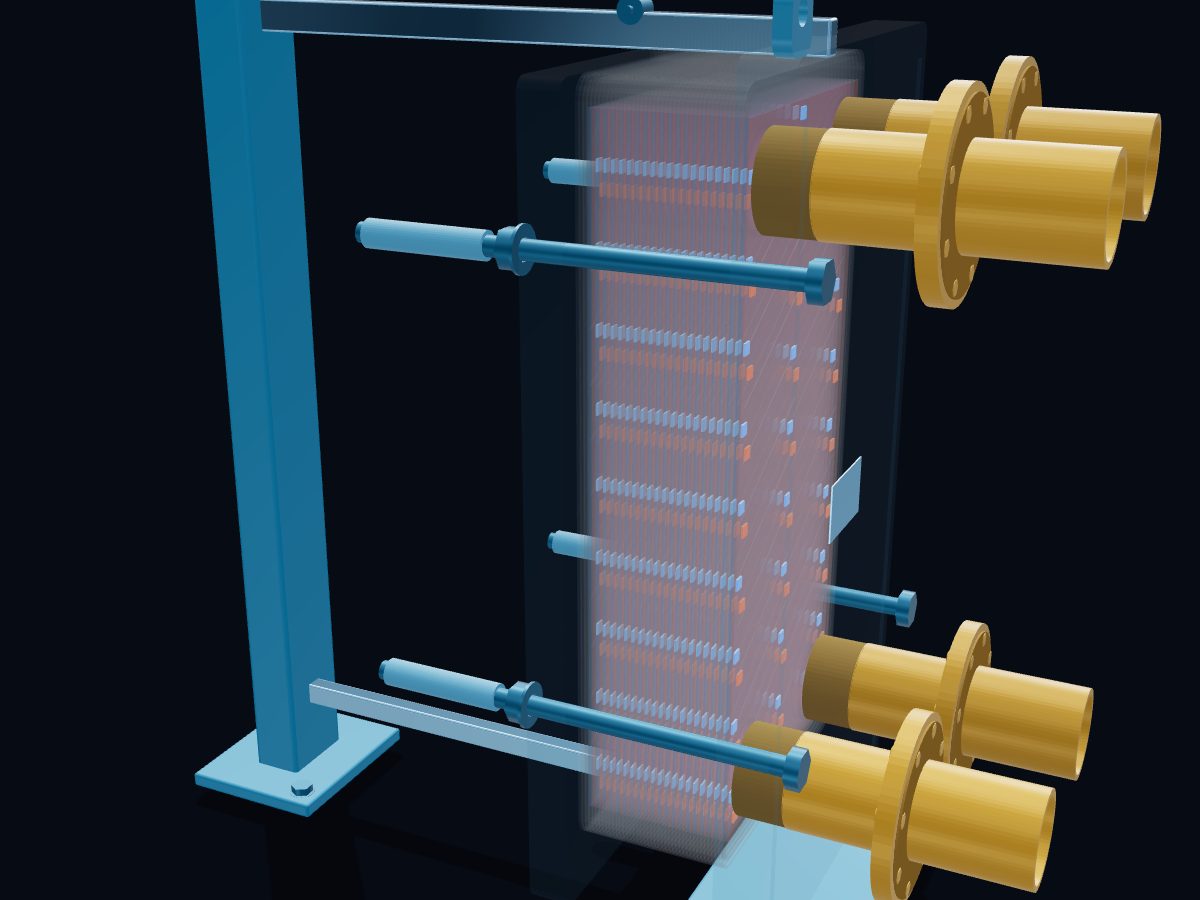 Plate Heat Exchanger
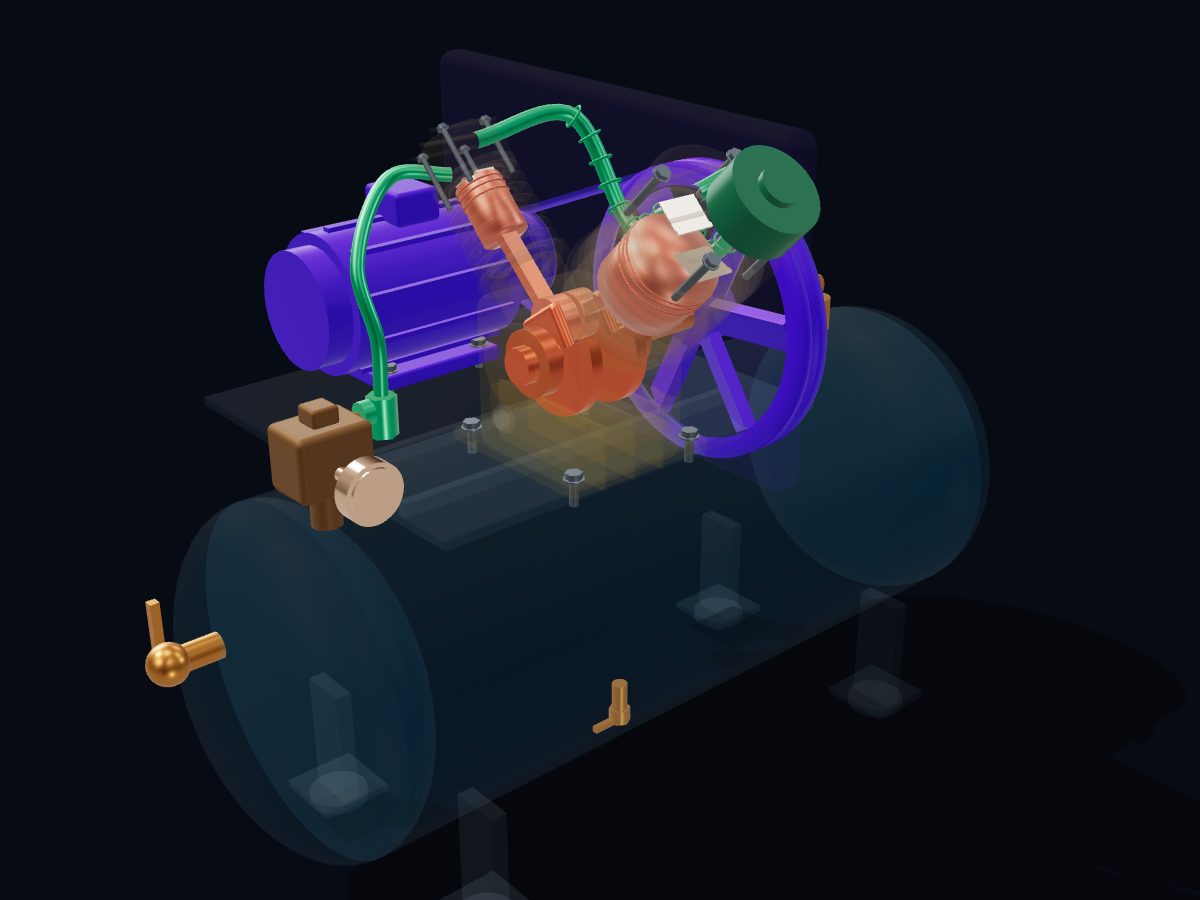 Reciprocating Air Compressor
 Planetary Gearbox