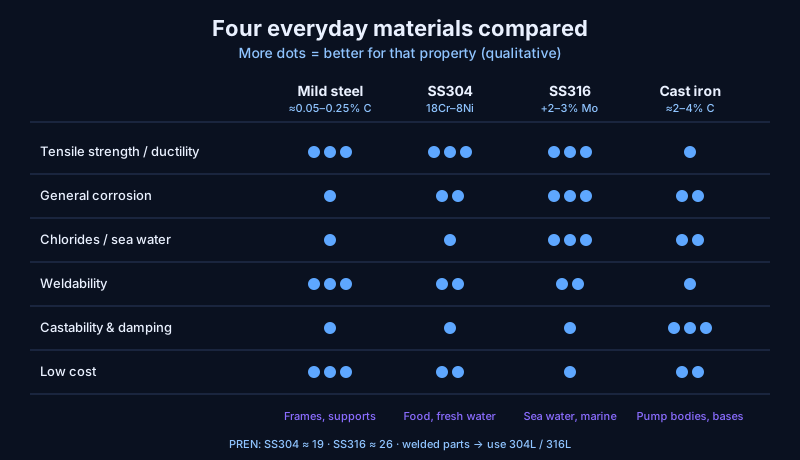
Mild steel, SS304, SS316 and cast iron are chosen by matching their composition to the job: mild steel for strong, cheap, weldable structures; SS304 for clean or mildly corrosive service; SS316 wherever chlorides or sea water are present; and cast iron for complex, rigid castings that need to damp vibration.
Getting the choice wrong usually shows up later as rust, pitting, a cracked weld or a brittle failure.
These four materials cover most of what passes through a workshop or a ship-repair yard: frames and brackets, pipes and flanges, pump casings, valve bodies and machine bases. Here is what makes each one behave the way it does.
What is mild steel, and when should you use it?
Mild steel is low-carbon steel, with roughly 0.05–0.25% carbon according to MachineMFG. The low carbon makes it ductile — it bends before it breaks — and easy to weld, cut and machine.
In India, the everyday structural grade is IS 2062 E250. Tata Steel lists its minimums as 250 MPa yield, 410 MPa tensile, 23% elongation and 0.23% maximum carbon, with stronger E350 and E410 grades for heavier work.
Tata Steel also explains the sub-grades A, BR, B0 and C: same chemistry and strength, but different Charpy impact requirements (27 J at room temperature, 0 °C or −20 °C). For anything loaded in cold conditions or by impact, the sub-grade matters as much as the strength.
Use mild steel for: structural frames, sheds, brackets, supports, skids, machinery frames, general fabrication and carbon steel piping. Watch out for: corrosion. Mild steel rusts readily, so it needs paint, galvanising or cathodic protection in wet or marine service.
What is the difference between SS304 and SS316?
The difference between SS304 and SS316 is molybdenum. Both are austenitic stainless steels that resist corrosion because their chromium forms a thin, self-healing oxide film. Project Materials gives the compositions:
| Element (wt %) | SS304 | SS316 |
|---|---|---|
| Chromium | 18.0–20.0 | 16.0–18.0 |
| Nickel | 8.0–10.5 | 10.0–14.0 |
| Molybdenum | — | 2.0–3.0 |
| Carbon (max) | 0.08 | 0.08 |
That 2–3% molybdenum strengthens the oxide film against chlorides — the salts in sea water, brackish water and many chemicals. Chlorides attack stainless steel locally, drilling small pits or eating into crevices under gaskets and deposits.
Engineers compare grades with the PREN (pitting resistance equivalent number): PREN = %Cr + 3.3 × %Mo + 16 × %N. Project Materials quotes about 19 for SS304 and about 26 for SS316; for harsher duties, duplex 2205 reaches about 35 and super duplex 2507 about 42.
Mechanically the two are almost identical: both have minimum 515 MPa tensile and 205 MPa yield strength, and both are non-magnetic when annealed (slightly magnetic after cold working). The decision is about corrosion, not strength.
When should you choose SS316 over SS304?
You should choose SS316 over SS304 whenever chlorides are present, especially when the water is warm. Project Materials notes that SS304 is vulnerable to pitting and crevice attack in chlorides above about 50–60 °C, and recommends SS316 when chlorides exceed about 200 ppm above 50 °C. SS316 costs roughly 15–25% more.
- SS304: fresh water, steam, food and beverage plants, dilute organic acids, caustic solutions, architecture with little chloride exposure.
- SS316: sea water and brackish water, offshore and marine fittings, chemical plants with halides, pharmaceutical plants.
For welded parts, choose the low-carbon L grades (304L, 316L, max 0.03% C). Welding heat can pull chromium out of solution as carbides near the weld — called sensitisation — leaving a corrosion-prone band next to the weld. Low carbon prevents it, so Project Materials calls the L grades the default for welded piping.
What is cast iron good for?
Cast iron is good for complex shapes that must be rigid and quiet. With about 2–4% carbon, it melts at a lower temperature than steel, flows well into moulds and shrinks little, so MachineMFG describes its castability as excellent. In grey cast iron, the extra carbon forms graphite flakes that give outstanding vibration damping and help machining.
The same graphite flakes make grey iron brittle. MachineMFG gives grey iron a tensile strength of about 126–157 MPa — far below mild steel — and notes that cast iron is difficult to weld, needing preheating and special filler to avoid cracking. Ductile (nodular) iron adds magnesium so the graphite forms spheres instead of flakes, which gives much better toughness.
Use cast iron for: pump and valve bodies, gearbox housings, engine blocks, machine tool beds and bases, brake discs. Avoid it for: parts loaded in tension or by impact, or parts that will need welded repairs.
How do you choose between them?
Choose by the main threat the part faces:
| Property | Mild steel | SS304 | SS316 | Grey cast iron |
|---|---|---|---|---|
| Strength / ductility | Good / high | Good / high | Good / high | Low tensile / brittle |
| Corrosion (general) | Poor without coating | Good | Very good | Fair |
| Chlorides / sea water | Poor | Pitting risk | Good | Fair |
| Weldability | Excellent | Good (use 304L) | Good (use 316L) | Difficult |
| Castability / damping | Fair / — | — | — | Excellent / excellent |
| Relative cost | Lowest | Medium | Higher (+15–25%) | Low |
A simple order of questions works for most jobs:
- Is it a complex shape that must be rigid and damp vibration? → Cast iron (ductile iron if it sees shock).
- Will it see sea water or chlorides? → SS316 (or duplex for hot, aggressive service).
- Does it need to stay clean or rust-free in mild conditions? → SS304.
- Otherwise → Mild steel, with the right coating.
The engineering takeaway
Material selection is chemistry with consequences. A little carbon gives mild steel its weldable strength; chromium and nickel make stainless steel; 2–3% molybdenum is what lets SS316 survive sea water; and the graphite in cast iron is both why it damps vibration and why it cracks. Match the alloy to the real threat — load, corrosion, heat or vibration — and remember that the right material can still fail at a badly made weld, which is why welding and NDT come next. You can see these materials at work in a centrifugal pump in 3D, from the cast casing to the steel shaft, and in the gate, globe, butterfly and check valve guide.
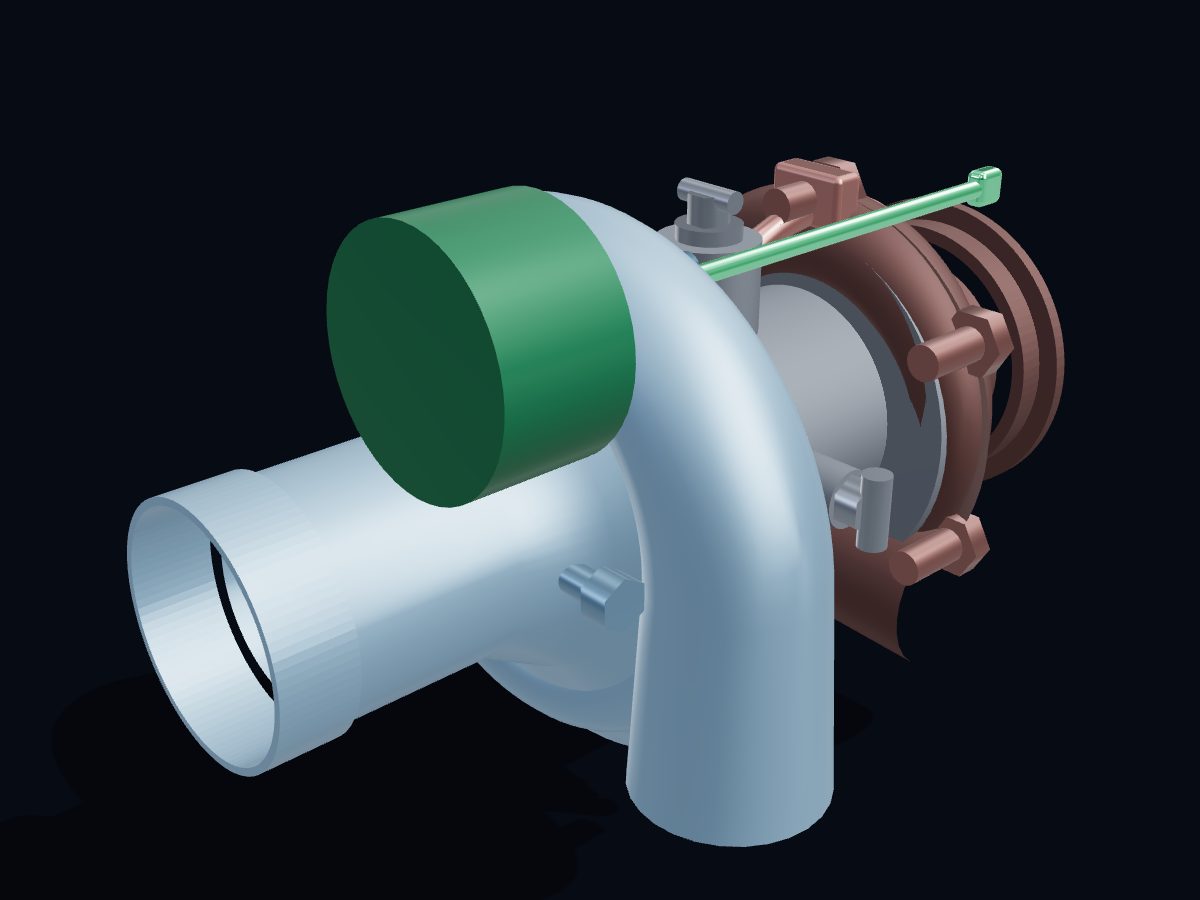 Turbocharger
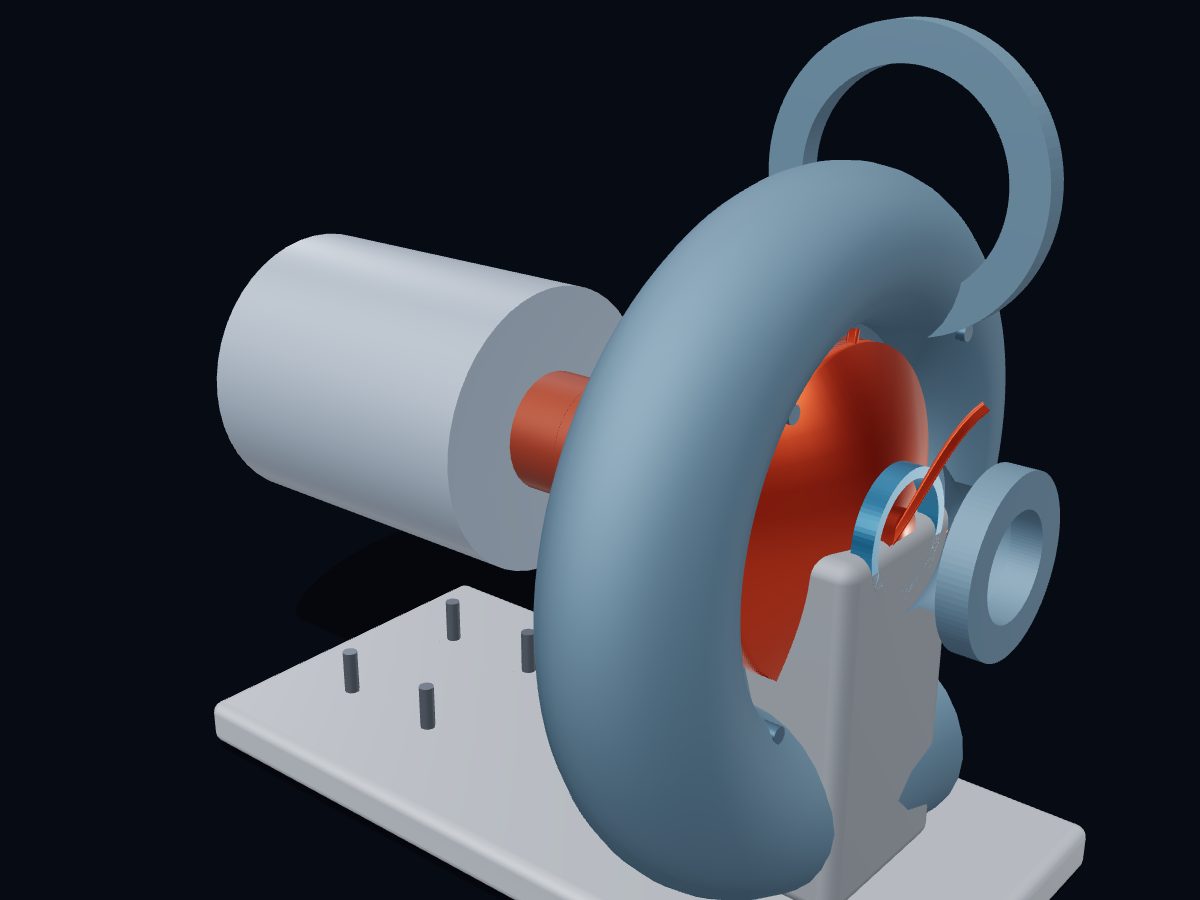 Centrifugal Pump
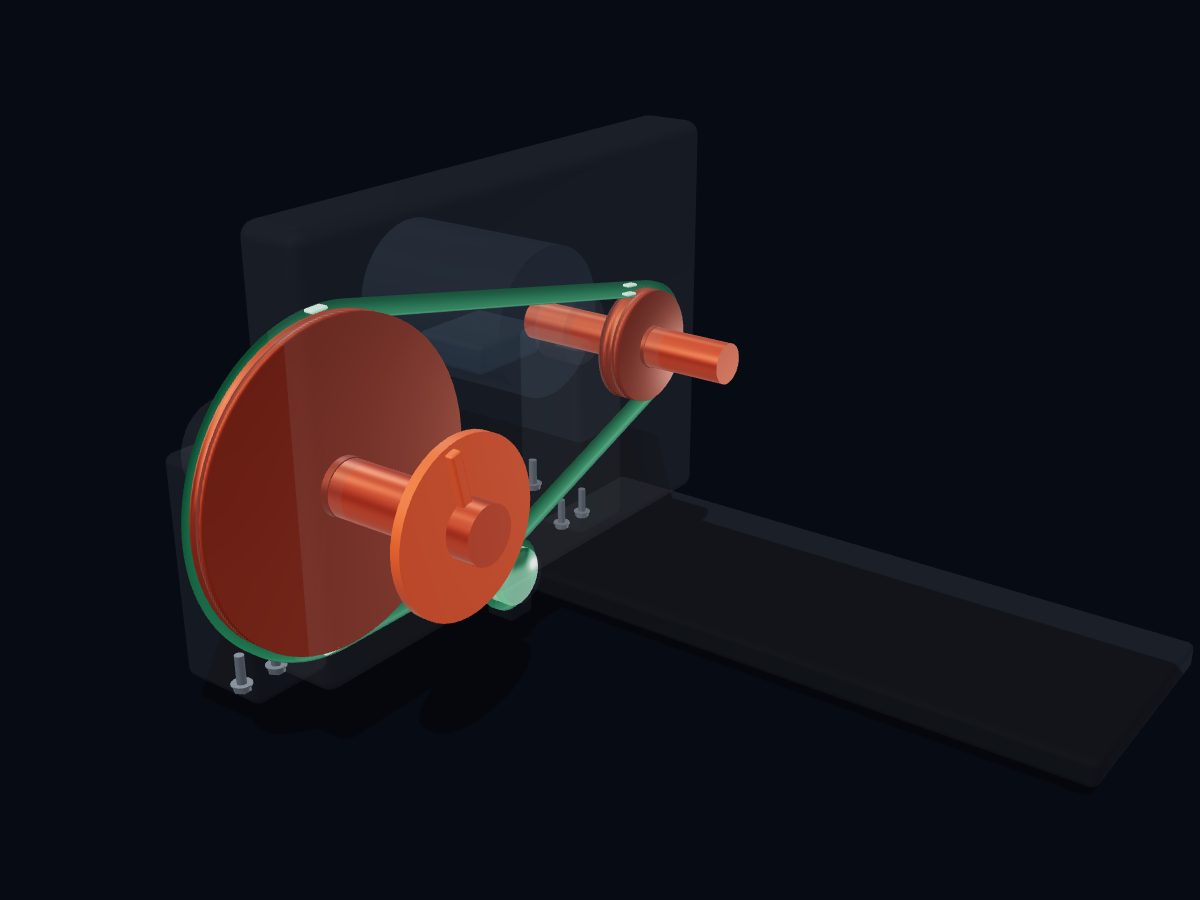 V-Belt Pulley Drive
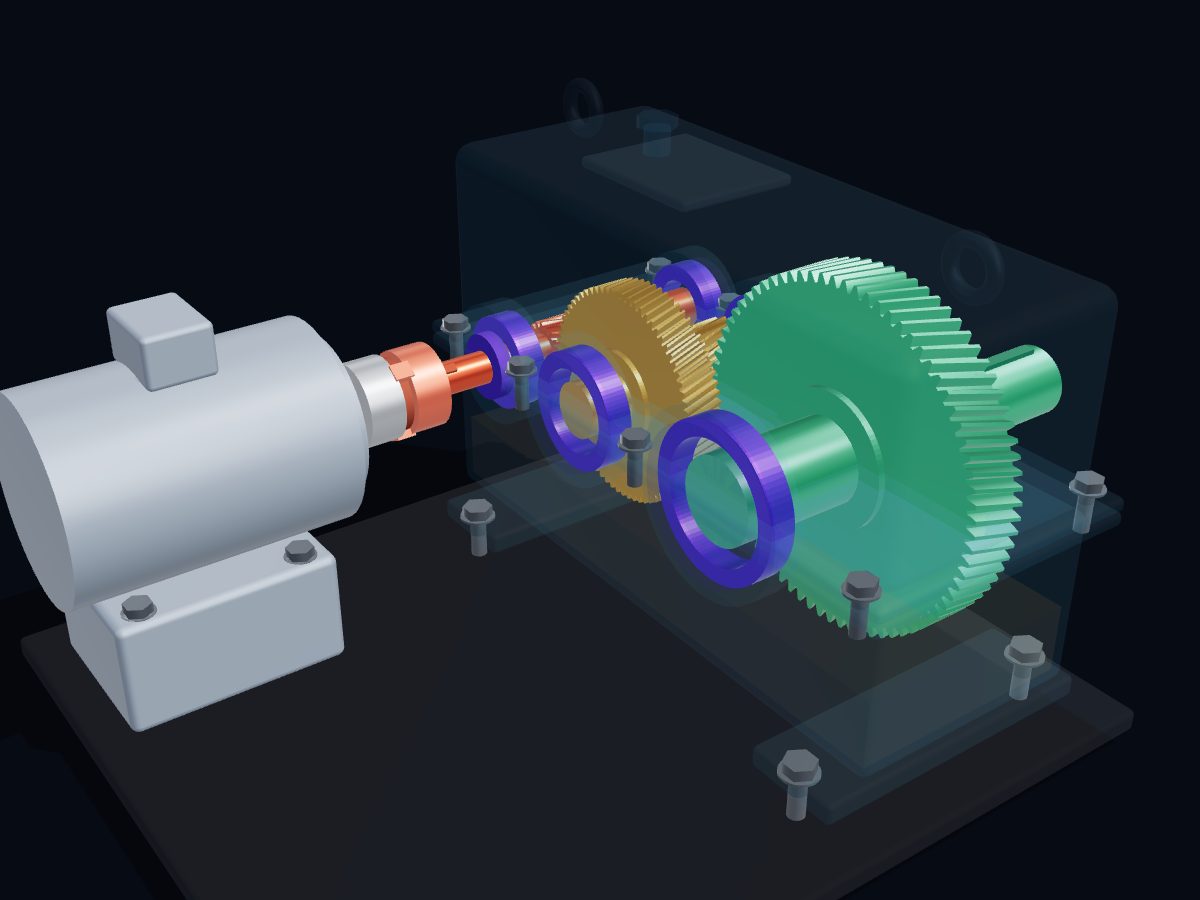 Helical Gear Reducer
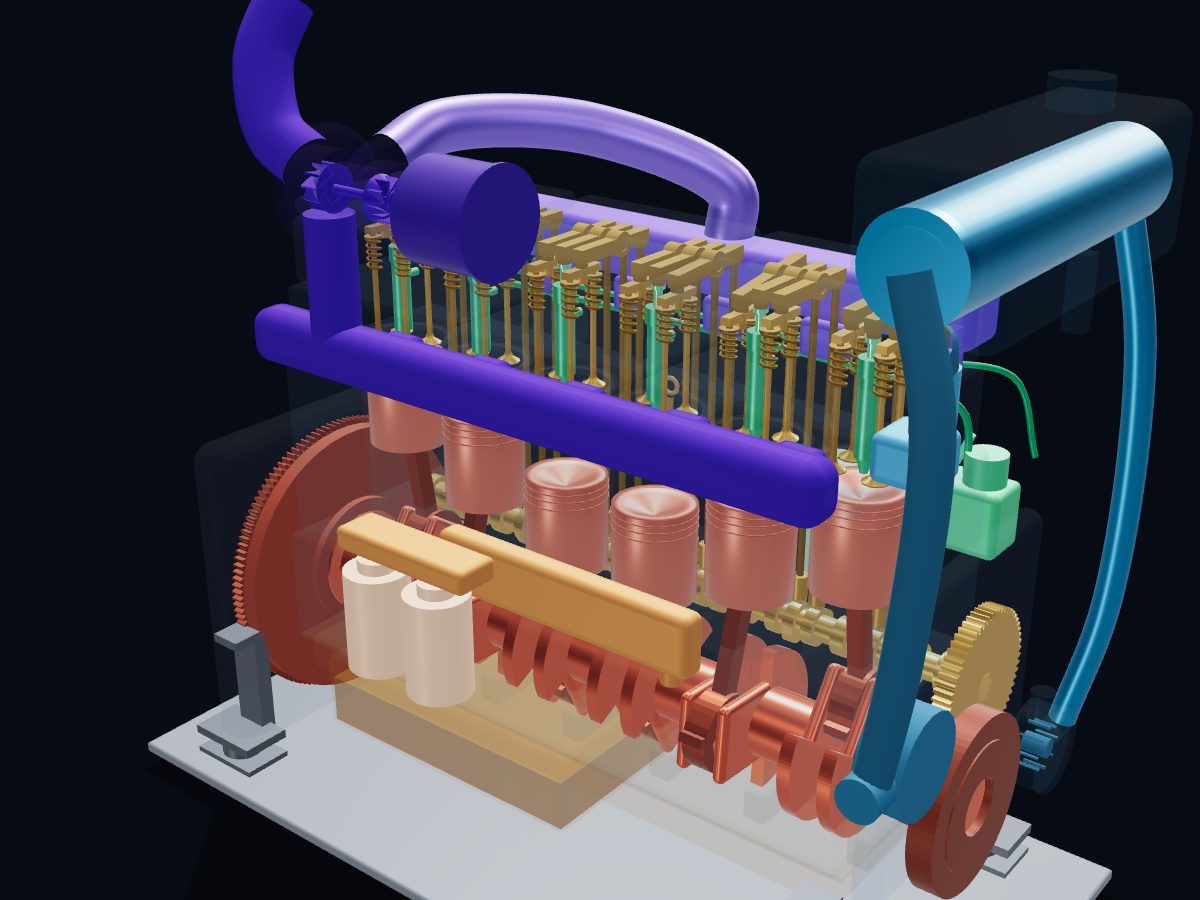 Marine Diesel Engine
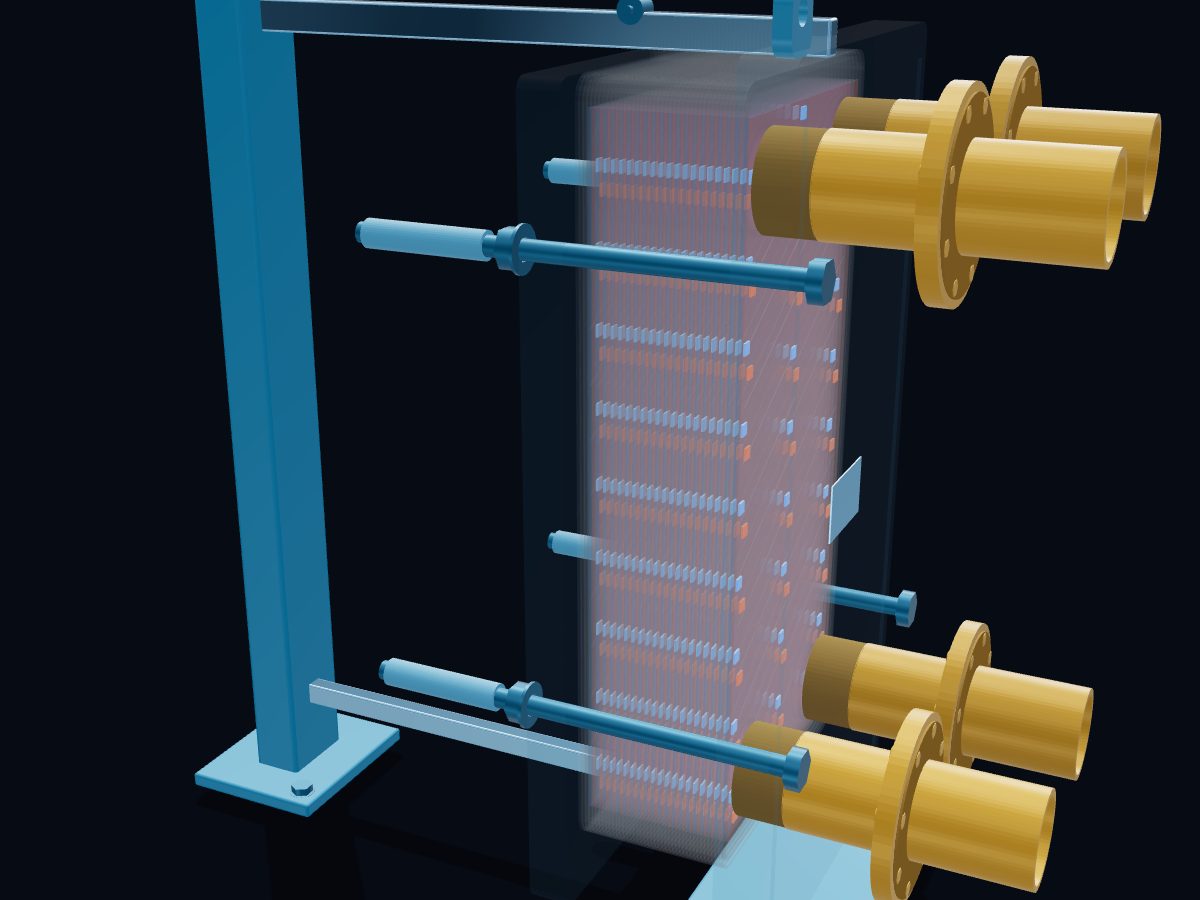 Plate Heat Exchanger
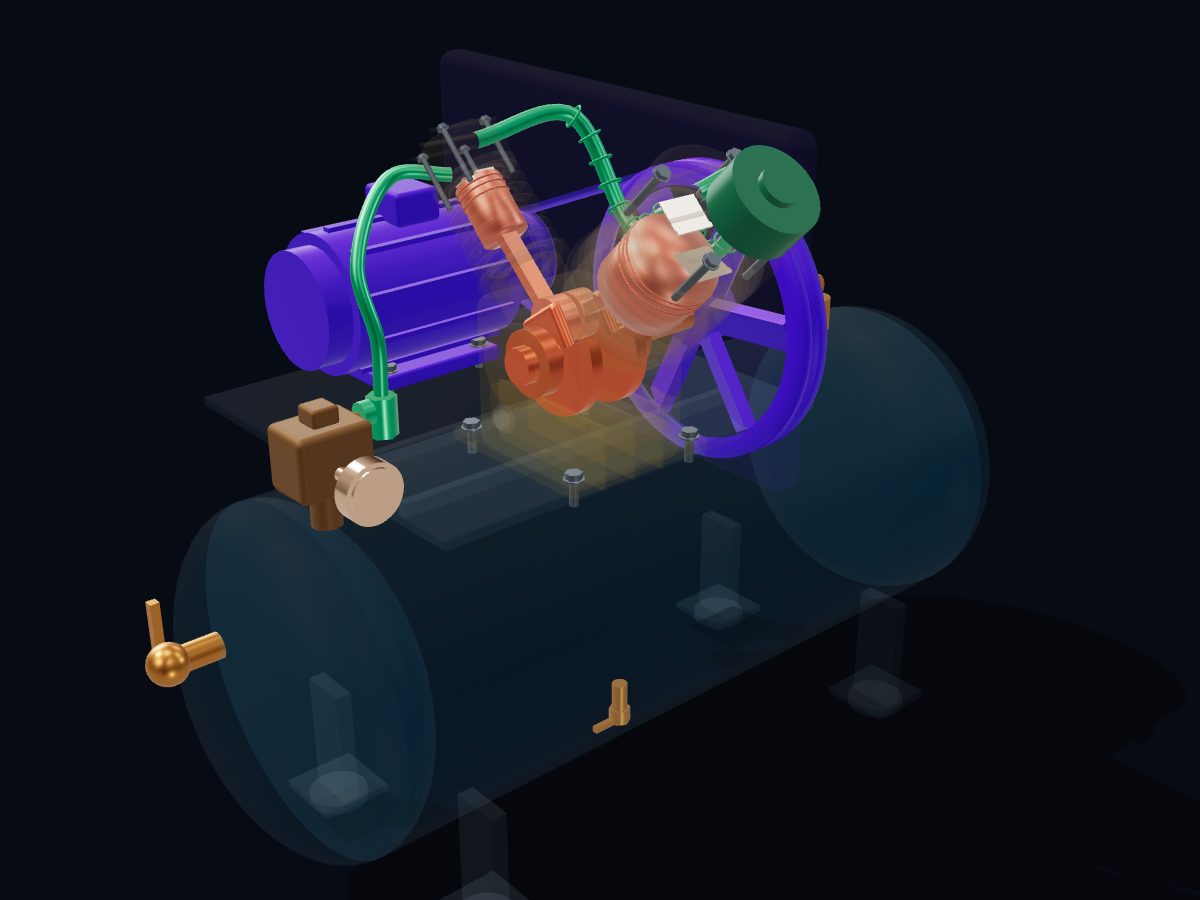 Reciprocating Air Compressor
 Planetary Gearbox