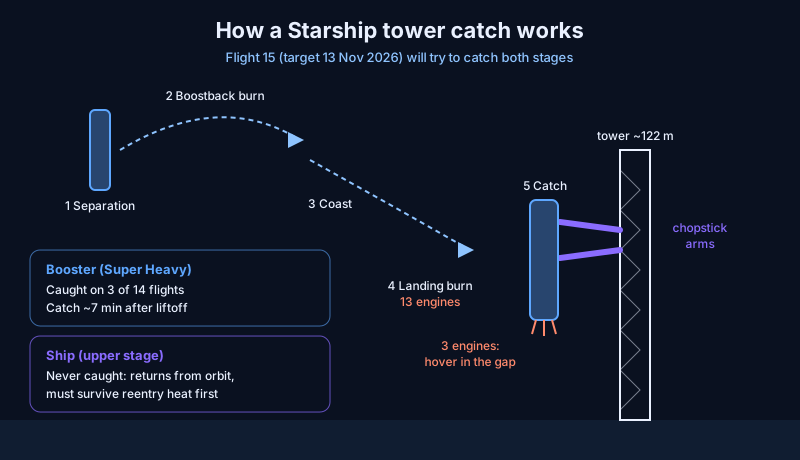
SpaceX is targeting 13 November 2026 for Starship Flight 15, and its first attempt to catch both stages with the launch tower's "chopstick" arms. SpaceX vice president of launch Kiko Dontchev gave the date at an event this week, Behind the Black reported on 6 November. The flight still needs FAA approval for the double catch.
Super Heavy boosters have been caught on three of 14 flights, but no ship has ever come back to the tower. If both catches work, Space.com notes, it would be the first time an orbital launch vehicle has been fully recovered.
How does a tower catch work?
A tower catch works by flying the rocket back to the launch tower and letting two huge arms close around it while it hovers. The tower, nicknamed Mechazilla, is about 122 m tall, and the same arms normally lift and stack the stages before launch, says The Engineer. The first booster catch, on Flight 5 in October 2024, went like this:
- Stage separation: the booster lets the ship go and turns around.
- Boostback burn: engines fire to reverse its path back towards the launch site.
- Coast: it falls back through the atmosphere.
- Landing burn: 13 of its 33 Raptor engines slow the fall and steer it over the tower, according to Inverse.
- Final approach: only 3 engines place the booster in the narrow gap between the arms, where it hovers.
- Catch: the arms close around it, about seven minutes after liftoff.
More than a thousand rocket and pad criteria had to be met before the attempt; if any failed, the booster would have ditched in the Gulf of Mexico instead.
Why catch a rocket instead of landing it on legs?
Catching a rocket removes the need for landing legs on the vehicle. Legs are carried up and down on every flight, so leaving the landing hardware on the ground saves vehicle mass. And the arms are already on the tower to stack the rocket, so one machine does both jobs.
The cost is precision. The rocket must hover within the reach of the arms, and a failure close to the tower can damage both the rocket and the tower, Inverse points out.
Why is catching the ship harder than the booster?
Catching the ship is harder because it goes much higher, farther and faster than the booster: it reaches orbit, so it has to come back through reentry. Space.com notes that Flight 14, on 28 September, was the first time the ship reached orbit. Interesting Engineering adds that the ship must survive reentry heating and then fly a controlled approach to the tower.
| Super Heavy booster | Starship (ship) | |
|---|---|---|
| Returns from | A few minutes into flight, after separation | Orbit, through reentry |
| Caught before? | Yes, three of 14 flights | Never |
| Flight 15 vehicle | Booster 22 (33 Raptors) | Ship 42 (6 engines) |
| Recent test | Full-duration static fire of all 33 engines, 25 October | 60-second firing of all six engines, 27 October |
Test details are from Behind the Black, which also reports that Ship 42 rehearsed being lifted by the Pad 2 arms in September.
The engineering takeaway
A tower catch trades landing legs for a precise hover between two arms: 13 engines to slow down, 3 to line up, and arms that close in seconds. The booster has done it three times; the ship has not tried. Flight 15 will show whether a vehicle coming back from orbit can do the same. Rocket engines like Raptor feed their propellant with turbopumps, where a turbine spins a pump on the same shaft; the closest machine on Engine-X is the turbocharger 3D model, where a turbine spins a compressor.
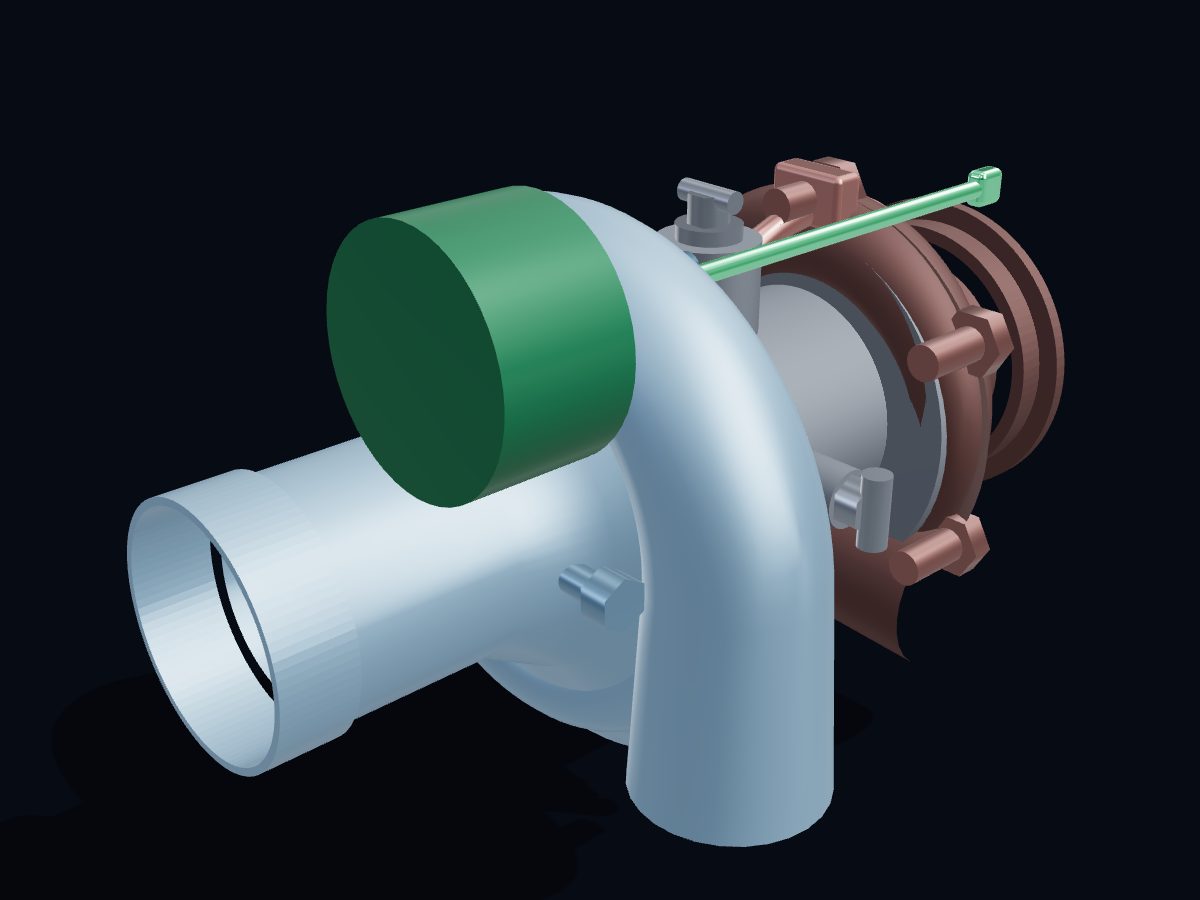 Turbocharger
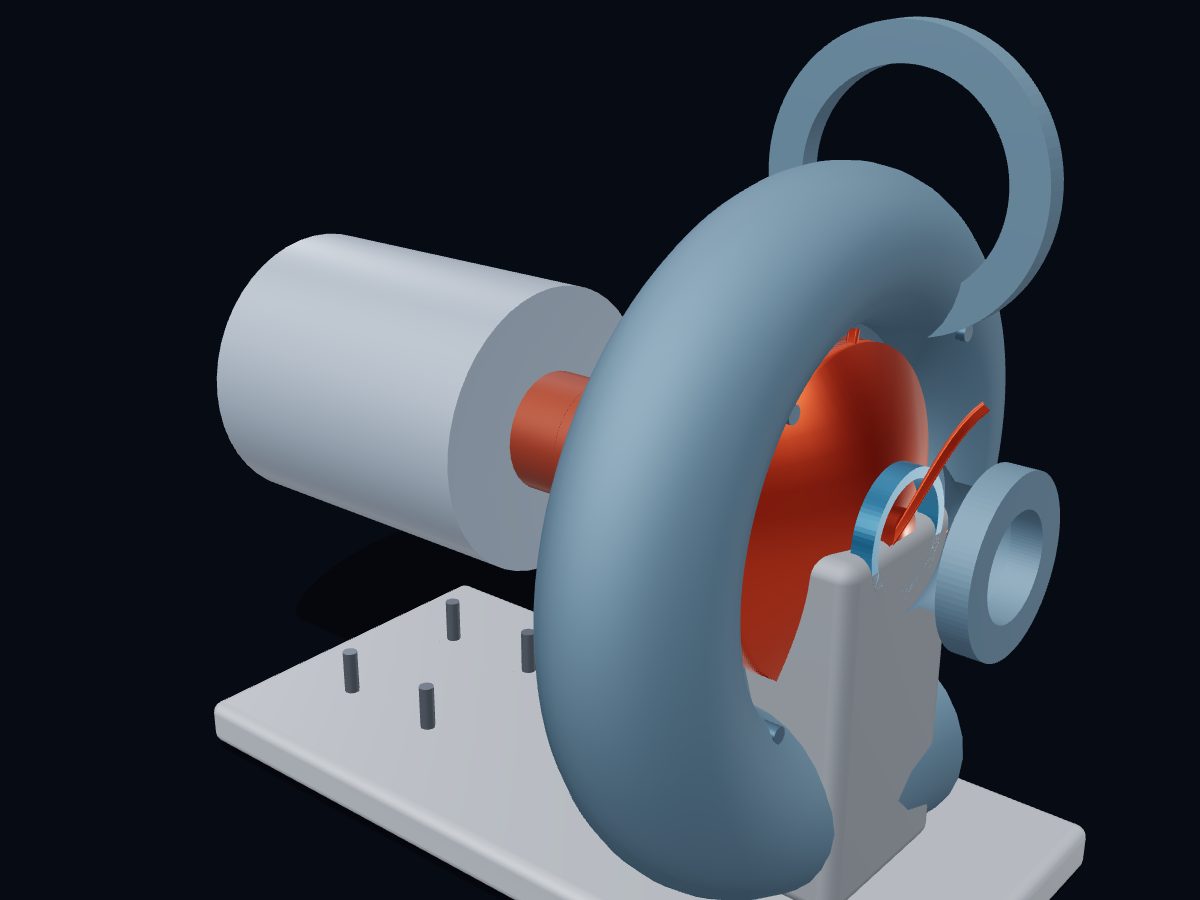 Centrifugal Pump
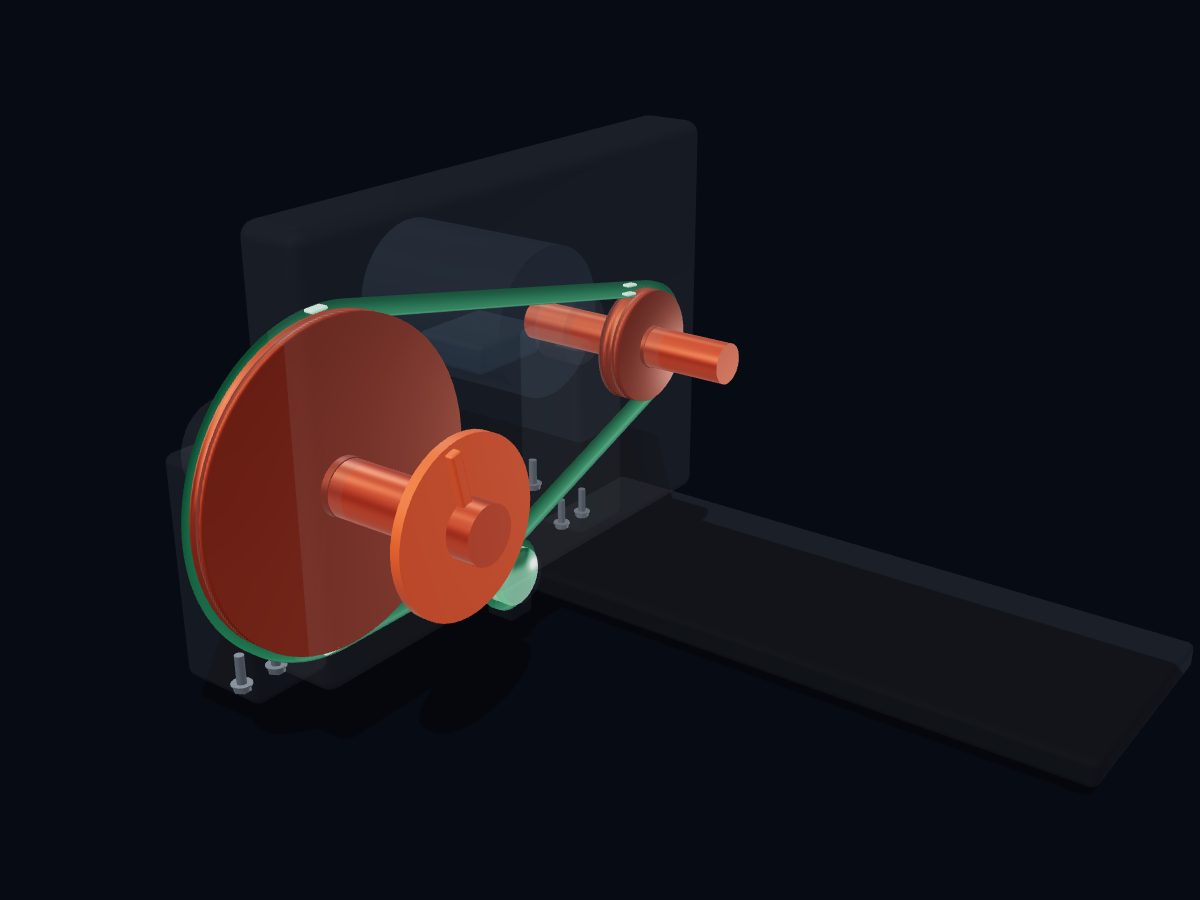 V-Belt Pulley Drive
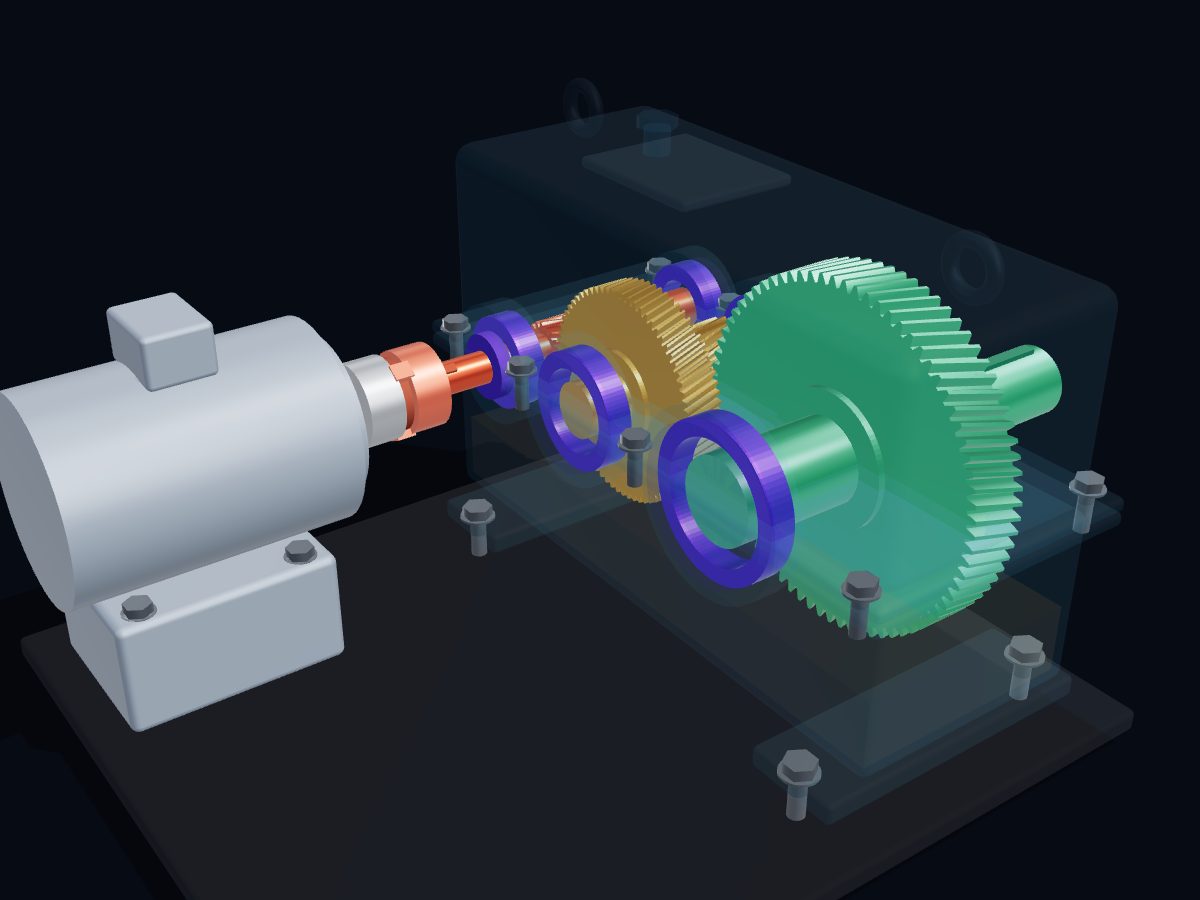 Helical Gear Reducer
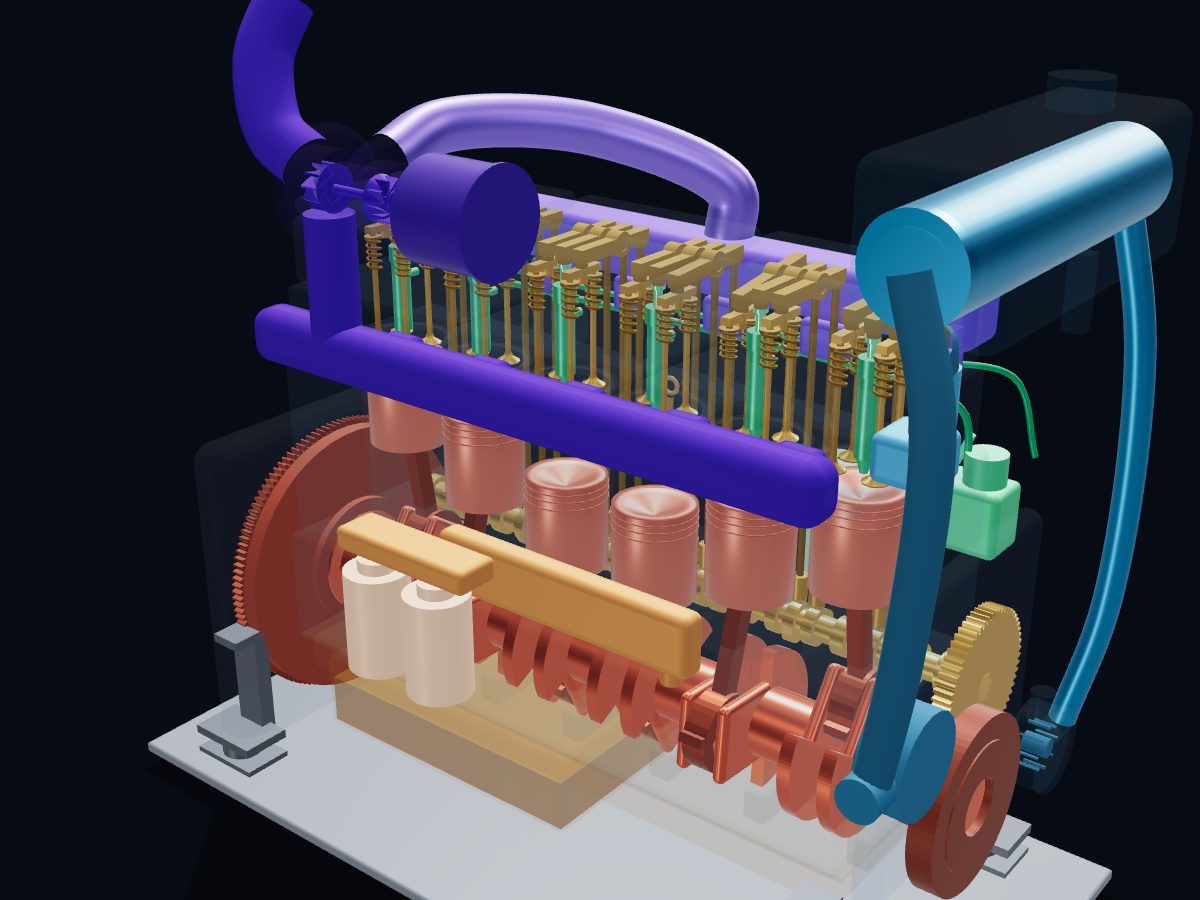 Marine Diesel Engine
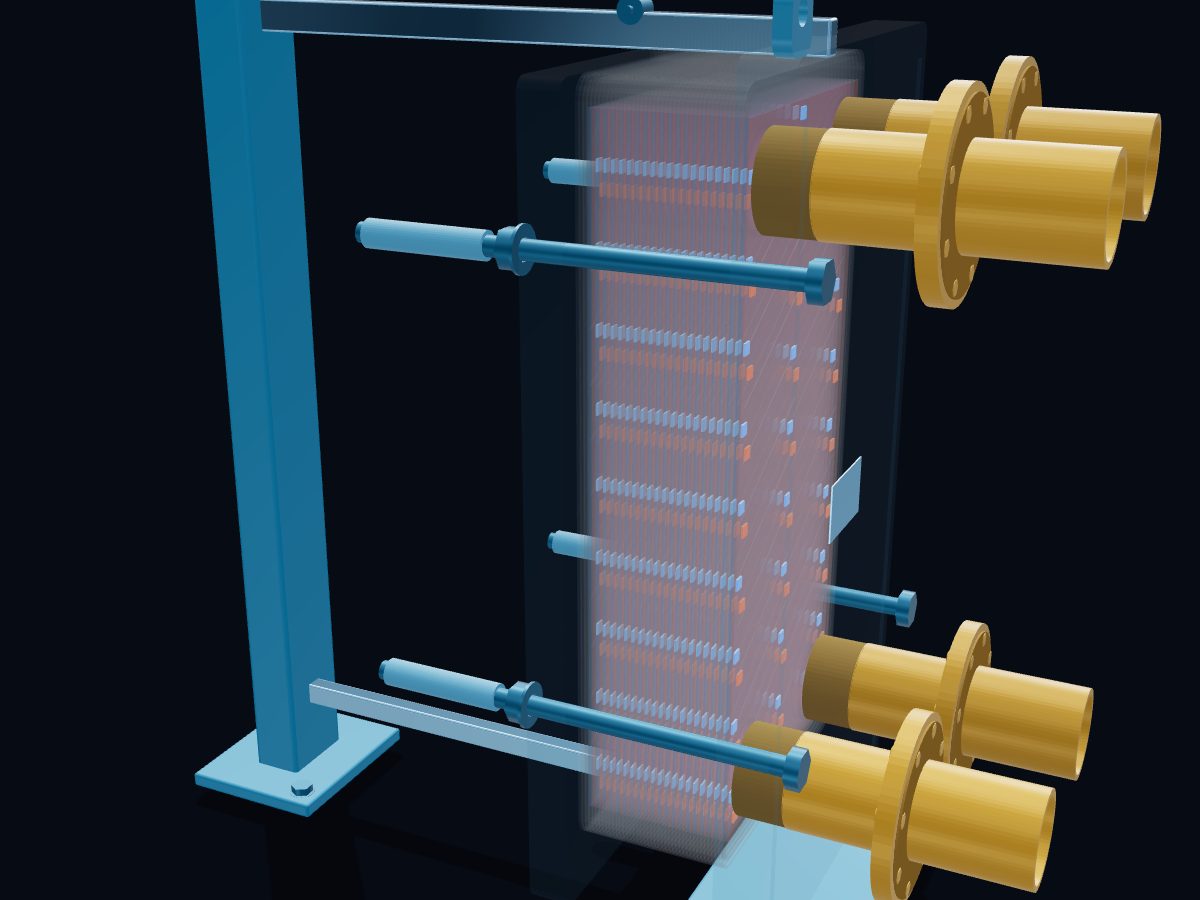 Plate Heat Exchanger
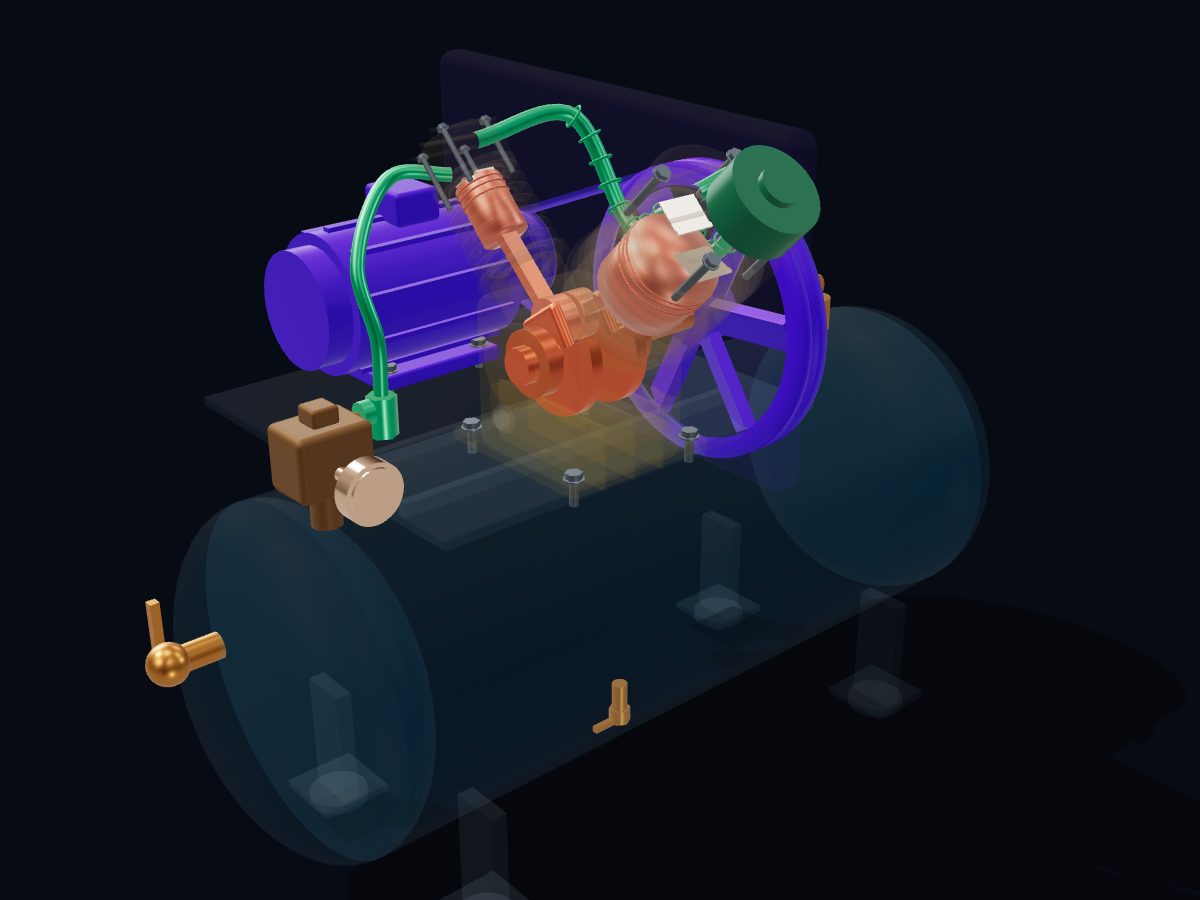 Reciprocating Air Compressor
 Planetary Gearbox
 Turbofan Jet Engine
 Gate Valve