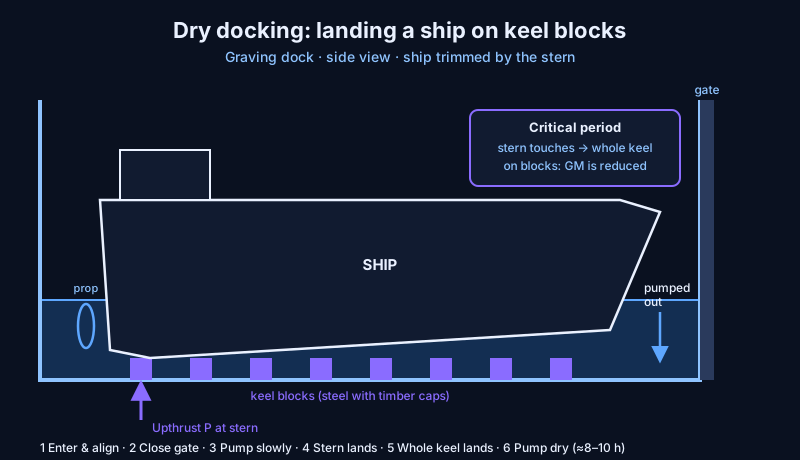
Dry docking is the process of bringing a ship into a dock, landing it on keel blocks and removing the water, so the hull below the waterline can be inspected, cleaned, painted and repaired. Every merchant ship goes through it on a fixed schedule.
It is the only time the whole underwater body of the ship — propeller, rudder, sea valves, stern tube and bottom plating — can be reached directly.
Anyone who works in a dry dock learns one thing quickly: the ship is costing its owner money every day it sits on the blocks. That is why the docking itself is planned to the centimetre and the repair list is fixed before the ship arrives.
Why do ships need dry docking?
Ships need dry docking because the underwater hull and its fittings wear, corrode and foul, and rules require inspecting them out of the water. According to AM Nautical, SOLAS requires cargo ships to have two inspections of the outside of the bottom in dry dock in every five-year period, with no more than 36 months between them.
Passenger ships need an annual bottom inspection, with at least two in dry dock in any five years. Some class societies allow younger ships (under 15 years) to replace one dry docking with an in-water survey.
Beyond the rules, there is a commercial reason. Marine growth on the hull adds drag and fuel cost, and a worn propeller or leaking stern tube seal can stop the ship. Dry docking is when all of that is put right at once.
What types of dry dock are there?
There are four main types of dry dock, each lifting the ship in a different way:
| Dock type | How it works | Typical use |
|---|---|---|
| Graving dock | A basin dug into the shore with a watertight gate; the ship floats in, the gate closes and the water is pumped out | Most large commercial ships |
| Floating dock | A U-shaped steel structure sinks by taking in ballast, the ship floats in, then the dock pumps out ballast and rises | Small to mid-size ships |
| Marine railway | A cradle on an inclined track hauls the ship up out of the water | Generally ships under about 5,000 tons |
| Shiplift (Syncrolift) | A platform is lowered by winches, the ship is placed on it and lifted, then moved sideways to a work berth | Smaller ships, high-throughput yards |
What is a docking plan?
A docking plan is the drawing and calculation set that tells the dock exactly where to place every block and how the ship will behave as it settles. Marine Insight lists what it contains:
- Hydrostatic data — drafts, centre of gravity, centre of flotation and the moment to change trim by 1 cm.
- Keel profile — the height of the keel along its length, used to set block heights.
- Block layout — keel blocks along the centreline and side blocks for wide ships, placed so they do not land on hull openings, drain plugs or echo-sounder transducers.
- Clearances — propeller tip to dock floor, and room to withdraw the shaft and rudder if needed.
Blocks must sit under strong structure in the ship and over strong points of the dock floor. Marine Insight gives the basic check for block loading: average block pressure equals the ship's weight divided by the total bearing area of the blocks, and it must stay below the limit for the block material. Maritime Page notes that keel blocks are usually steel with adjustable timber caps, which follow the keel and protect the plating.
How is a ship dry docked, step by step?
A ship is dry docked in a fixed sequence, described by Marine Insight and Maritime Page:
- Prepare the ship. The ship arrives with the stability the docking plan needs, the minimum possible ballast, and the propeller submerged. The dock master boards.
- Bring the ship in. The ship is guided into the dock, and its centreline is lined up with the centreline of the keel blocks using plumb lines or a theodolite.
- Close the gate and start pumping. The water is pumped out in stages.
- Land the stern first. The ship is usually trimmed by the stern, so the stern touches the blocks first. Pumping is slowed as contact gets close.
- Get through the critical period. As the water drops, the ship settles from aft to forward until the keel rests on the blocks along its full length. The ship is secured to the dock sides as it takes the blocks.
- Pump the dock dry. Once the ship is fully supported, the rest of the water is removed quickly. AM Nautical gives a typical dewatering time of 8–10 hours.
Why is the critical period dangerous?
The critical period is dangerous because the ship's stability falls just as it lands on the blocks. Marine Insight explains that the keel blocks push up on the stern with a force (the upthrust, P) that grows as the water level drops.
That upthrust acts like removing weight from the bottom of the ship, which effectively raises the centre of gravity and reduces the metacentric height (GM) — the measure of how strongly the ship returns upright.
If the ship enters the dock with too little GM, the loss during the critical period can leave it unstable, and it can heel over or slide off the blocks. The worst moment is just before the keel touches along its whole length, when the upthrust is largest. That is why the stability check is done before the ship enters, not during the docking.
What work is done in dry dock?
The work done in dry dock covers everything below the waterline and much of the machinery that can only be reached with the ship out of service. AM Nautical's typical list:
- Hull: high-pressure washing, blasting and repainting with anti-fouling, and replacing sacrificial anodes.
- Steel: ultrasonic thickness gauging and renewal of plates that have wasted below limits — the same measurement Engine-X explained in robots inspecting ships.
- Propeller and rudder: inspection, polishing, clearance checks and overhaul.
- Stern tube: seal renewal and bearing clearance checks.
- Sea valves and sea chests: opening, inspection, overhaul or replacement.
- Surveys: the class surveyor checks the work and the load line marks.
The engine room is busy at the same time. Sea-water pumps, coolers and valves are easiest to overhaul when the sea chests are dry — the pumps and heat exchangers covered earlier on Engine-X are typical dry-dock jobs.
The engineering takeaway
Dry docking looks like simply draining a dock, but it is a careful stability and structural exercise: the right blocks in the right places, the right trim, and enough stability to survive the critical period. Once the ship is safely on the blocks, the job becomes a race against time — every hour of a well-planned repair list saves the owner money. Undocking is the same sequence in reverse, with the same critical period on the way back up. Two jobs from the list above have their own guides: the propeller shaft and stern tube, and the anodes and cathodic protection that keep the hull from corroding. For repaired pipework that has to be pressure-tested, see hydrostatic pressure testing.
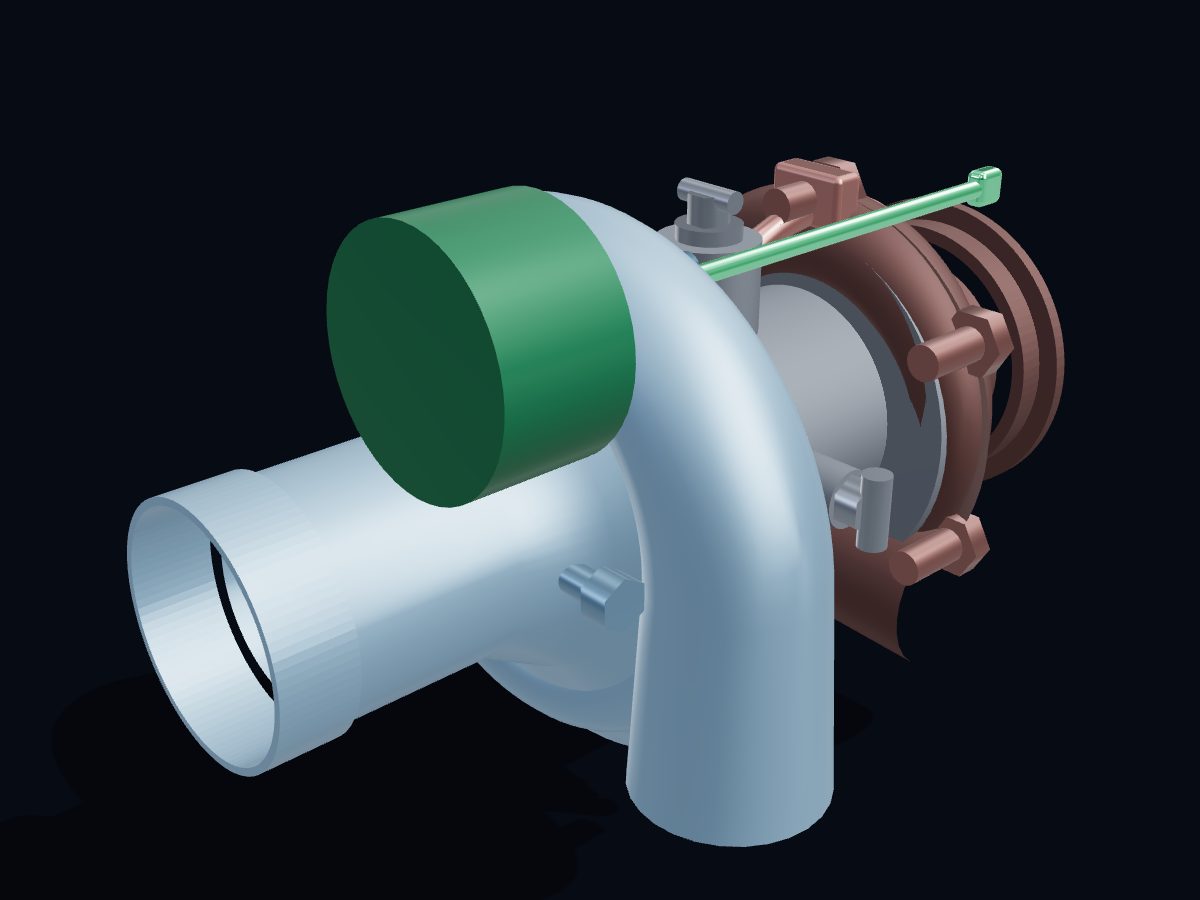 Turbocharger
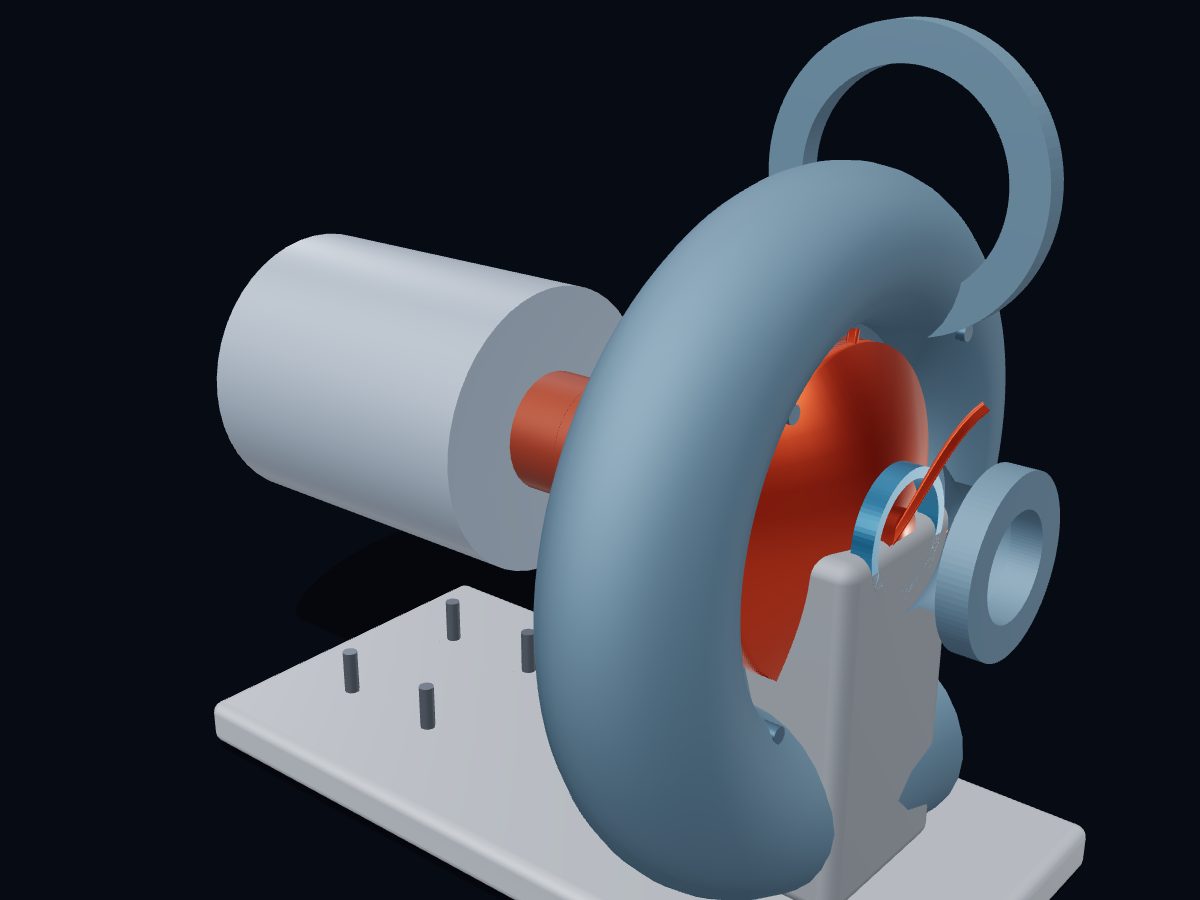 Centrifugal Pump
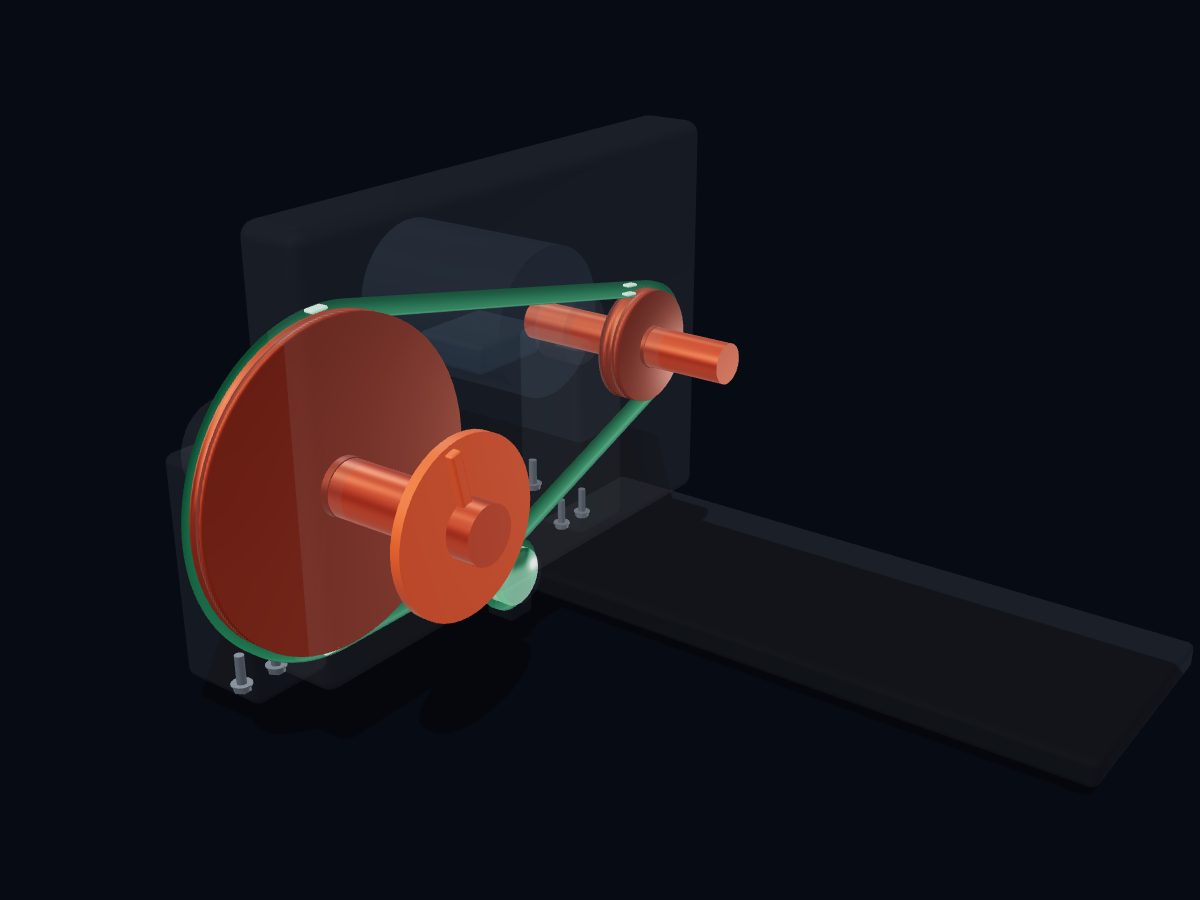 V-Belt Pulley Drive
 Helical Gear Reducer
 Marine Diesel Engine
 Plate Heat Exchanger
 Reciprocating Air Compressor
 Planetary Gearbox